
Table of Contents
Introduction
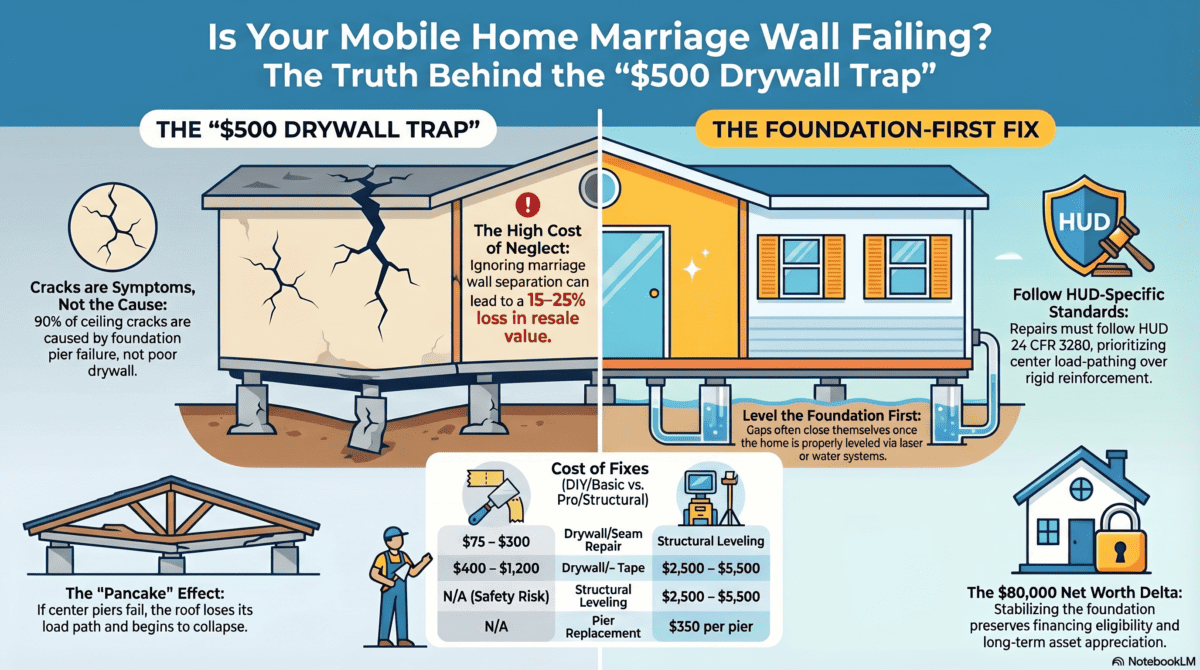
Summary: Mobile Home Double or Triple Wide. The marriage wall is the backbone of any multi-section manufactured home. In 2026, as climate volatility increases foundation shifting, understanding this component is non-negotiable for homeowners. This article breaks down the load-bearing physics of the marriage line, identifies why 90% of ceiling cracks are symptomatic of pier failure, and provides a transparent cost breakdown for repairs. We move past cosmetic fixes to address the underlying structural integrity of the home. Note: Local labor rates for Structural Leveling change constantly. See our full regional cost table below.
Video Guide Overview
Affiliate Disclosure: This post contains links to structural tools. If you purchase through these links, HousingAfter60.com may earn a commission at no extra cost to you.
The Short Answer: Blunt Logic
A marriage wall is not a “wall” in the traditional sense: it is a structural interface. It is where two independent steel-framed chassis are bolted together to create a unified load path. If your marriage wall is separating, your home is literally becoming two independent objects again. This is usually caused by differential settlement: one side of the home is sinking faster than the other. You do not fix this with drywall tape. You fix it by correcting the foundation plane. If the floor isn’t level, the wall cannot be tight. Period. In my 23 years of flipping over 100 units, I have never seen a “cosmetic” marriage wall crack that didn’t have a foundation root cause.
| Category | DIY / Basic | Pro / Premium |
|---|---|---|
| Seam Re-Sealing | $150 – $300 | $800 – $1,200 |
| Structural Re-Leveling | N/A (Safety Risk) | $2,500 – $5,500 |
| Lag Bolt Tightening | $50 (Tools) | $450 – $700 |
What Is a Marriage Wall in a Mobile Home?
Simple Definition
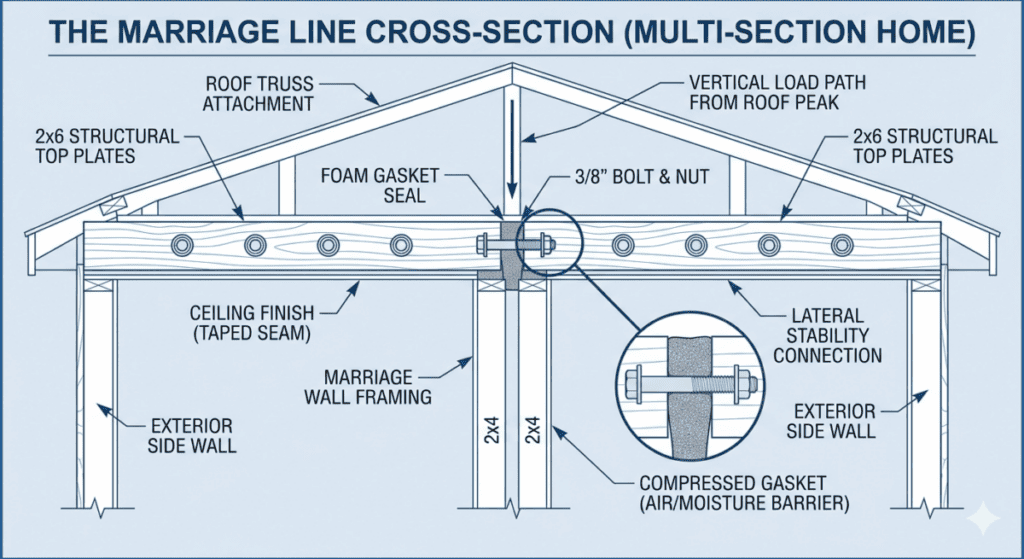
The marriage wall is the vertical plane where the open sides of two “single-wide” units meet. Because HUD code requires these units to be transportable, they are built with one side open. The marriage wall closes the envelope and creates a central spine that supports the weight of the roof peaks.
Where You Will See It
In a standard double-wide, the marriage wall runs exactly down the center. You will see it as a heavy plastic or wood transition strip on the floor and a visible “seam” or batten strip on the ceiling. If the home was finished by a high-end crew, the drywall might be taped to hide it; however, the structural seam remains underneath.
Why It Is Called a Marriage Wall
The industry uses this term because the two halves are “married” on-site. It is a permanent bond. In 2026, we see more “triple-wide” units where two marriage walls exist, creating a massive central living area. Understanding the shear force at these junctions is critical for long-term stability.
Technical Deep Dive: The ROI of 10-Year Net Worth Trajectories
Most homeowners view a marriage wall crack as a $500 drywall repair. This is a low-intelligence financial move. If a marriage wall is separating due to foundation failure, and you ignore the root cause, you are looking at a 15% to 25% depreciation in the home’s resale value over 10 years. In contrast, investing $4,000 in a permanent steel pier system at the marriage line can stabilize the asset. Using first-principles logic: A stabilized home appreciates at 3% to 5% annually (market depending), while a sagging home loses structural certification, making it un-financeable for future buyers. The net worth delta over a decade can exceed $80,000. Do the math: pay for the level now, or pay the buyer’s inspector later in the form of a price drop.
Why Mobile Homes Are Built in Sections
Transportation Limits
State DOT regulations generally cap load widths at 14 to 16 feet. To get a 32-foot wide home to your lot, it must be split. The marriage wall is the engineering compromise that allows for massive square footage within the constraints of the interstate highway system.
Factory Construction Advantages
Building in a factory allows for precision jigging. The marriage walls are framed on flat steel tables, ensuring they are perfectly square. This is superior to site-built framing where rain and wind can warp 2×4 studs before the roof is even on. We see higher R-values in 2026 factory builds because the marriage line insulation can be packed tighter than on-site retrofits.
| Recommended Tool | Best For | 2026 Price Est. |
|---|---|---|
| LevelMaster Pro 3000 | Precision chassis leveling | $1,200 |
| SeamSeal X-Treme Gasket | Marriage line air sealing | $85 / roll |
What the Marriage Wall Actually Does Structurally
Load-Bearing Function
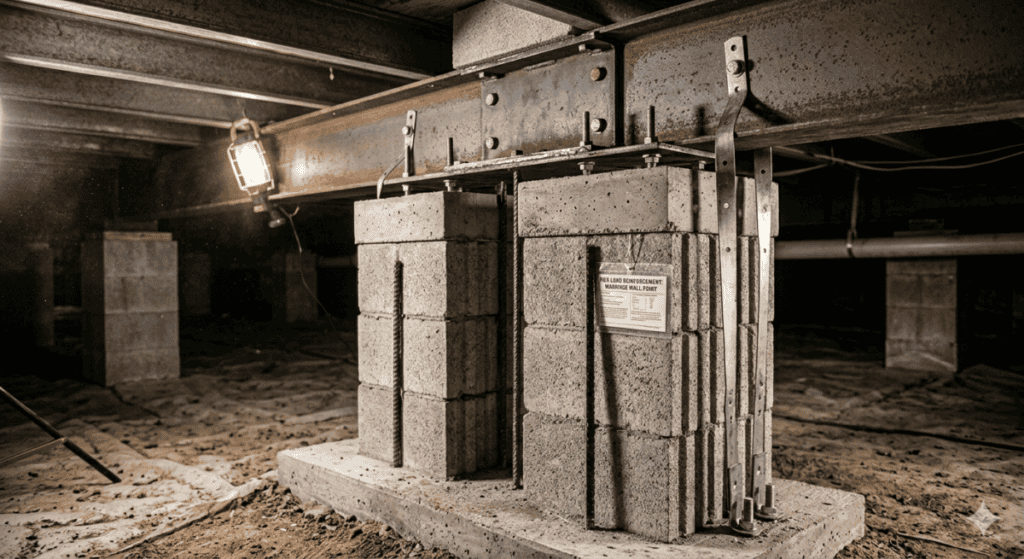
In a site-built home, exterior walls are usually load-bearing. In a double-wide, the marriage wall acts as a bridge. It takes the “gravity load” from the roof trusses and transfers it down through the floor joists to the heavy-duty piers located directly beneath the seam. If those piers fail, the roof begins to “pancake” at the center, causing the dreaded ceiling gap.
Connection Point Between Sections
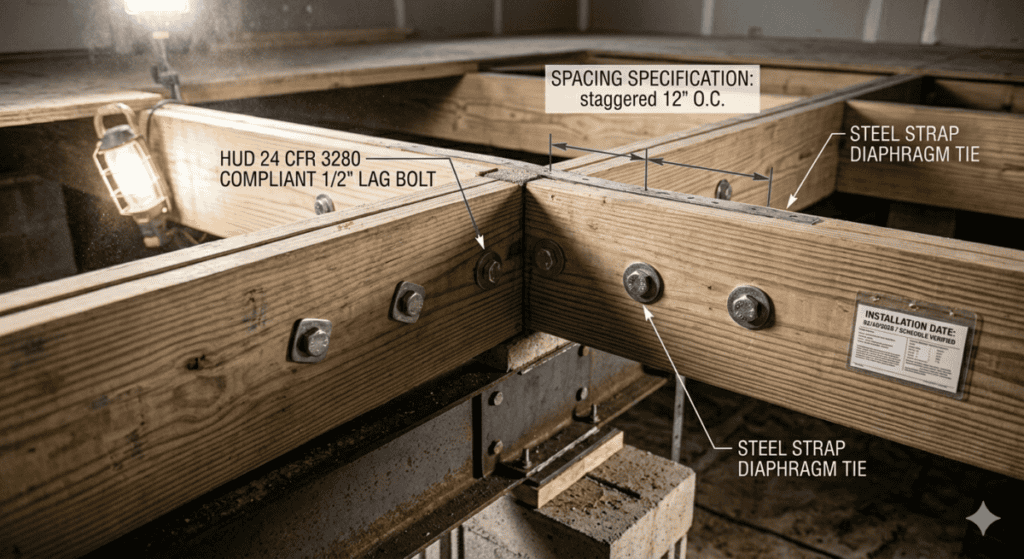
The sections are tied together using 3/8-inch lag bolts or specialized structural screws. These are often spaced every 12 to 24 inches along the floor, walls, and ceiling. This creates a diaphragm effect, allowing the home to resist wind loads during storms. For more on this, check out our guide on Mobile Home Foundation Types Explained.
Technical Deep Dive: HUD 24 CFR 3280 vs. IRC Standards
Many “local contractors” try to fix marriage walls using standard residential International Residential Code (IRC) logic. This is a mistake. Manufactured homes are governed by HUD 24 CFR 3280. The marriage wall is engineered to allow for a specific amount of flex. If you “over-reinforce” a marriage wall with rigid steel plates without addressing the pier height, you will cause the outrigger joists to snap under the weight of the exterior walls. Structural physics dictates that the load must be supported from the center out. Always verify that your repair tech understands HUD-specific load-pathing.
Common Marriage Wall Problems (And Why They Happen)
Ceiling Cracks Along the Seam
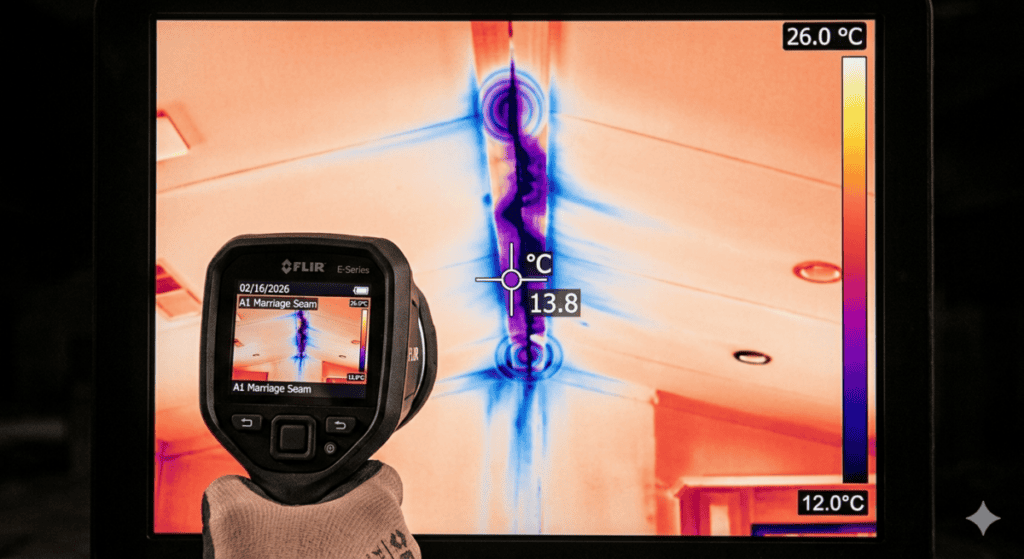
This is the “check engine light” of mobile homes. A crack here means the two sections are tilting away from each other. In 2026, we are seeing this more frequently in the Southwest due to soil desiccation (extreme drying). When the soil shrinks, the center piers drop, and the roof peak splits. If you see a crack wider than 1/4 inch, your home is likely more than 1 inch out of level across the marriage line.
Floor Separation or Soft Spots
If you feel a “dip” as you walk from the kitchen to the living room, the marriage line rim joists have likely loosened. This allows moisture to enter the floor cavity, rotting the OSB decking. This is a high-cost repair if not caught early. You can read more about long-term maintenance in How Long Do Mobile Homes Last?.
| Category | DIY / Basic | Pro / Premium |
|---|---|---|
| Drywall Seam Repair | $75 | $400 |
| Pier Replacement | N/A | $350 / pier |
| Vapor Barrier Patch | $40 | $250 |
How to Inspect a Marriage Wall (Detailed Checklist)
Don’t just look at the paint. Get dirty. If you want to protect your investment, you need to verify the structural geometry of the home.
- Interior: Check the “reveal” on all doors located on the marriage wall. If the gap at the top of the door is wider on one side, the home is out of level.
- Ceiling: Use a high-powered flashlight to look for “telegraphing” seams. If you see a shadow, the drywall is pulling.
- Floor: Peel back a corner of the carpet at the center line. Check for moisture staining on the floorboards.
- Crawlspace: Inspect the marriage line piers. Are they vertical? If they are leaning, the home is shifting laterally.
- Roof: Check the “ridge cap” above the marriage wall. If the shingles are buckling, the sections are compressing against each other.
Technical Deep Dive: Subsurface Utility Engineering (SUE) near the Seam
A major risk factor is the interaction between marriage wall loads and subsurface utilities. Often, main water lines or sewer drains are run directly beneath the marriage line because it is the most protected area of the chassis. However, if a sewer leak occurs, it saturates the soil precisely where the highest weight concentration exists (the marriage piers). This leads to a “sinkhole effect” where the center of the home drops rapidly. Logic dictates that any marriage wall inspection must include a hydro-static pressure test of the drain system to ensure soil stability. I have seen $20,000 structural failures caused by a $10 PVC coupling leak under the marriage line.
Can Marriage Wall Problems Be Fixed?
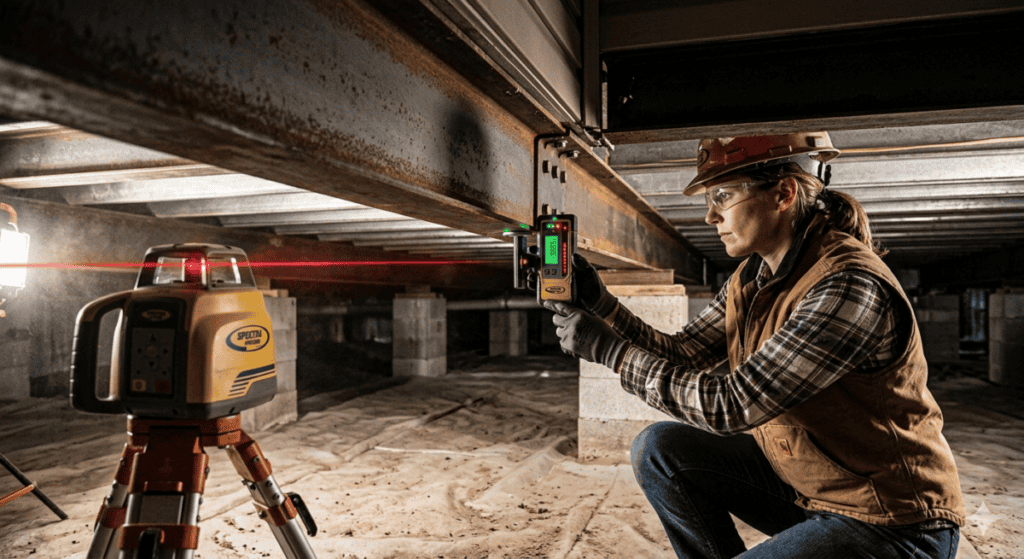
Yes, but stop thinking about aesthetic fixes. A cosmetic repair on a shifting home is like painting a sinking ship. You must address the leveling first. If the home is properly leveled using a water level or laser system, the marriage wall gaps will often close on their own. Only then should you tighten the structural bolts and re-finish the drywall. For a deep dive on this process, see How to Level a Mobile Home.
| Tech Tool | Utility | 2026 Price Est. |
|---|---|---|
| Bolt-Torque Master | Tightening lag bolts to spec | $350 |
| Hydra-Jack 20T | Lifting marriage line beams | $210 |
Marriage Wall vs. Single-Wide Construction
A single-wide home is a unibody structure. It doesn’t have a marriage wall because it never had an open side. This makes single-wides theoretically more “rigid,” but they lack the expansive interior volume that a marriage wall allows. In a double-wide, the marriage wall creates a column-and-beam system that is actually very robust, provided the foundation is monolithic (like a concrete slab) rather than individual dirt-set piers.
Technical Deep Dive: Zoning Variance Logic and Marriage Lines
Many jurisdictions are tightening rules on “non-conforming” manufactured homes. A home with a visible marriage wall separation is often flagged as structurally deficient during a zoning inspection for a permanent foundation conversion. If you are trying to move your home from a park to private land, the marriage wall must be mechanically integrated. This means no gaps and a verified bolt schedule. If you fail this, your zoning variance will be denied, and your land value will remain stagnant. Proper marriage wall integration is a legal requirement for title elimination in 42 states.
Actionable Checklist for Homeowners
- Schedule an annual level check: Spend $300 on a pro level-check to save $5,000 in structural repairs later.
- Tighten the bolts: Every 5 years, have a tech crawl under and ensure the marriage line lag bolts haven’t vibrated loose.
- Check the “V”: Look at the peak of your roof from the ground. If it looks like a “V” (dipping), call a structural specialist immediately.
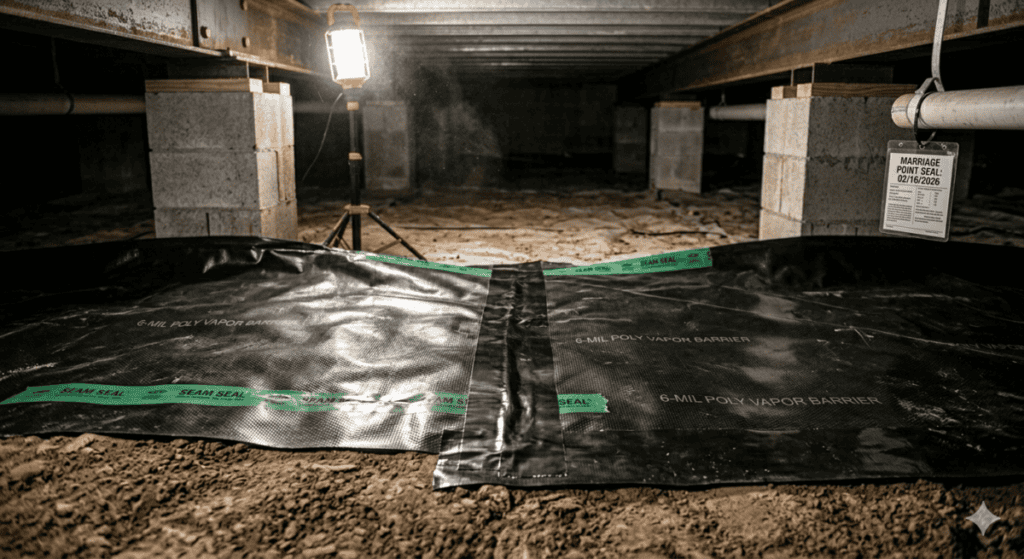
- Verify Vapor Barriers: Ensure the ground moisture isn’t rising into the marriage wall framing. This is the #1 cause of wood rot in the spine of the home.
Key Takeaways
The marriage wall is not a defect; it is a necessity of modular engineering. The risks associated with these walls are almost entirely related to foundation neglect. If you keep the home level, the marriage wall will last 50+ years. If you let the home sag, the wall will tear itself apart. Focus on the piers, not the paint.
About the Author: Charles O’Dell
Charles O’Dell is the founder of MobileHomeFriend.com. With 23+ years of experience in the manufactured housing industry and over 100 successful flips, Charles specializes in the technical recovery of distressed assets. He doesn’t care about “home decor”—he cares about structural load paths and ROI. He lives and works in the high-stakes world of mobile home park investing, where a bad marriage wall can be the difference between a 30% return and a total loss.