
Table of Contents
Introduction
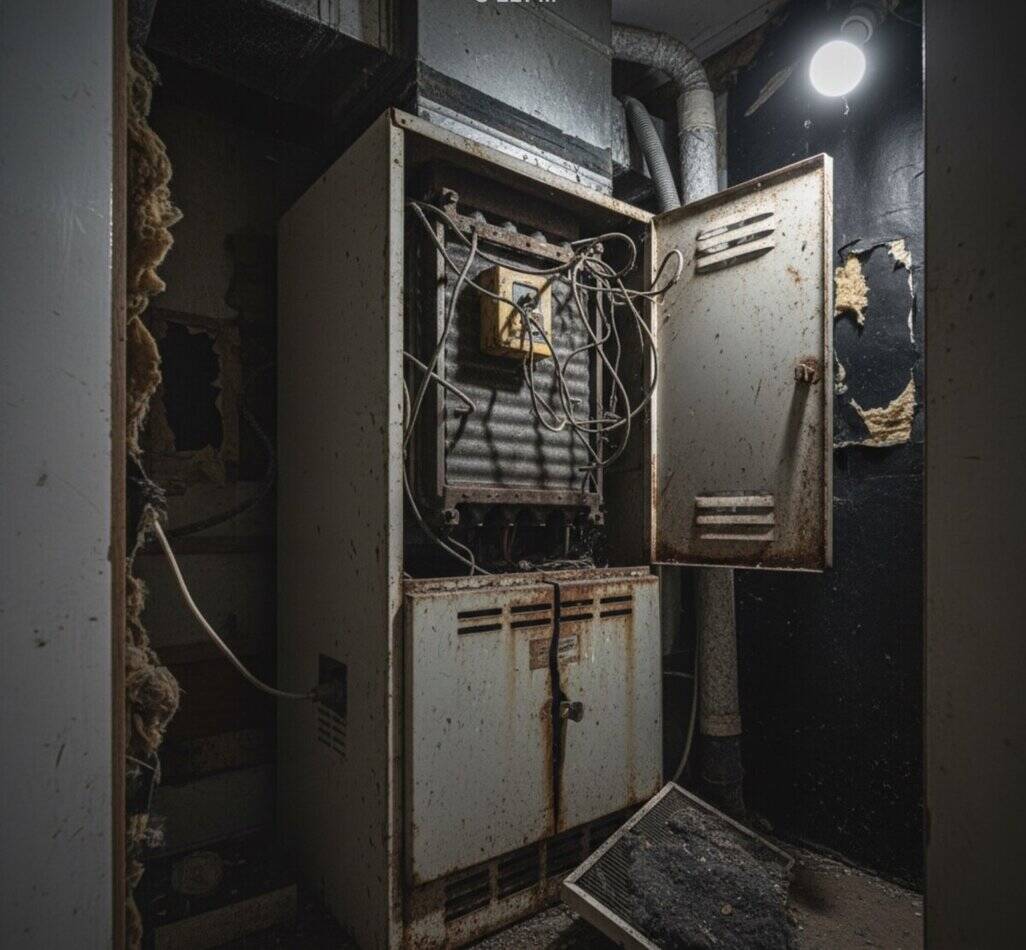
(Updated December 7, 2025) As an investor, I view a furnace as a depreciating asset—it’s not a question of “if” it will fail, but “when”. The average mobile home furnace lasts 15 to 20 years, but I’ve seen that lifespan cut in half due to deferred maintenance and structural issues.
Replacing a furnace can cost thousands, but often, a simple $30 part or an hour of maintenance can prevent that expensive disaster. This guide breaks down the true lifespan of mobile home furnaces, the exact common repairs, and the maintenance schedule I use on every single one of my properties to avoid emergency replacement costs.
Video Guide Overview
Affiliate Disclosure: This guide contains affiliate links to parts, tools, and smart thermostats used and recommended for mobile home furnace maintenance and repair. If you purchase through these links, Mobile Home Friend may earn a small commission, at no extra cost to you.
The Short Answer: Furnace Repair and Replacement Costs (2025 Estimates)
Mobile home furnaces typically operate at lower BTUs than site-built home units, which can sometimes lower the cost, but parts and labor remain expensive. Use these ranges to estimate your costs:
| Scope of Work | Average Cost Range (Pro) | DIY Part Cost Only |
|---|---|---|
| Full Furnace Replacement (Unit + Labor) | $1,800 – $4,000 | N/A (Professional Required) |
| Annual Maintenance/Tune-Up | $150 – $300 | $50 – $100 |
| Ignitor/Flame Sensor Replacement | $150 – $450 | $30 – $100 |
If your furnace is over 15 years old and the repair quote exceeds 50% of the replacement cost, replacement is almost always the smarter financial decision.
How Long Do Mobile Home Furnaces Really Last?
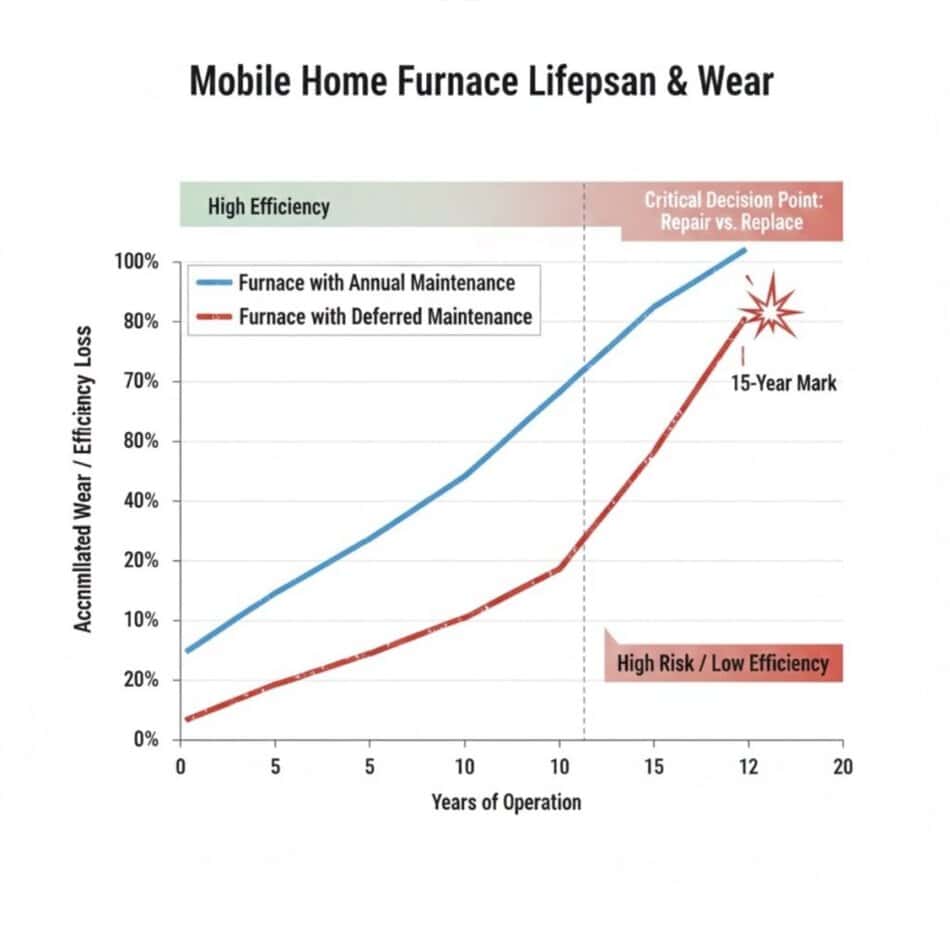
The standard lifespan for a gas or electric mobile home furnace is 15 to 20 years with consistent annual maintenance. Without maintenance, that lifespan drops severely.
Three Non-Negotiable Rules for Furnace Lifespan:
- The 50% Rule: If the repair cost is more than 50% of a new unit, replace it.
- The 15-Year Rule: Once your unit hits 15 years, start saving for replacement. The next major repair will likely be the last you want to perform.
- The Energy Bill Rule: If your gas or electric bill has been steadily increasing, it means your furnace is losing efficiency, often due to a clogged system or a faulty control board. This means it is running longer and harder to heat the home.
Warning Signs That Signal Disaster:
- Strange Noises: Grinding or squealing means the blower motor bearings are failing—a common, expensive fix.
- Yellow Pilot Light: In a gas furnace, a yellow flame instead of a clean blue one means incomplete combustion and a possible CO risk.
- Frequent Cycling (Short Cycling): The unit turns on and off too quickly. This wears out the major components rapidly and is often caused by a faulty flame sensor or a thermostat issue.
Investor Maintenance Schedule: The Only Three Steps You Need
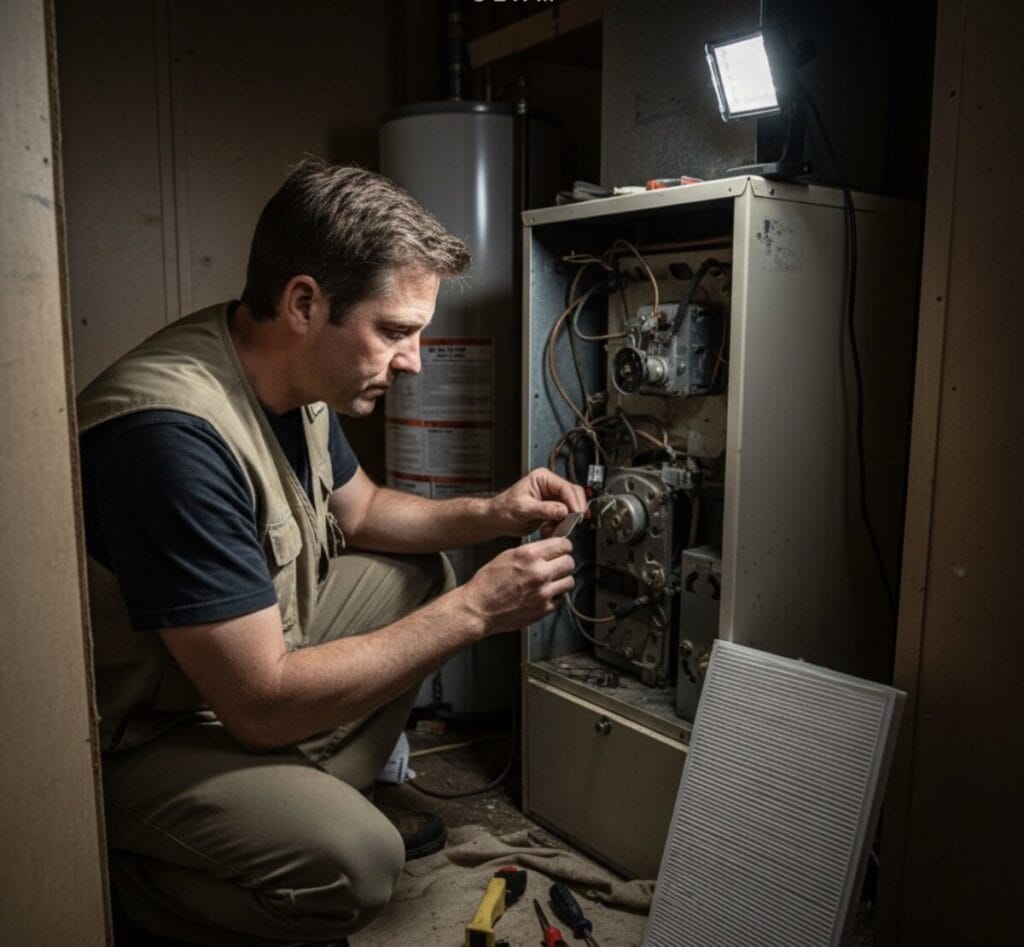
As an owner, you should not be paying a technician $200 for tasks you can do in 30 minutes. My maintenance schedule focuses on the three highest-impact, lowest-cost tasks:
1. Change Air Filters Monthly
This is the simplest and most overlooked task. A dirty filter is the number one cause of furnace failure. It restricts airflow, causes the unit to overheat, and damages the blower motor. Use the correct, mobile home-specific filter size.
Because a clean filter is the most effective preventative maintenance, I buy them in bulk to ensure I always have them on hand. Stock up on high-quality, mobile home-specific HVAC filters here to maximize airflow and protect your unit.
2. Clean the Flame Sensor (Annual)
The flame sensor is a tiny rod that tells the furnace that the fire has lit. When it gets dirty, it mistakenly signals that the furnace is cold, causing the system to short-cycle and shut down. You can clean this rod with a piece of fine-grit sandpaper, saving a $150 service call.
3. Check the Ducts and Underbelly
A furnace cannot heat a home if 20% of the hot air is leaking into the crawl space. Before you blame the furnace, check the supporting structure. Leaking ductwork and poor underbelly insulation waste thousands of dollars.
You must ensure your air delivery system is sealed. For the best way to verify and repair this, consult my complete guide: The True Cost of Mobile Home HVAC Ductwork Repair.
Common Repair Costs and The Repair vs. Replace Math
Here are the common failures you will encounter and the approximate professional repair costs:
- Blower Motor: Repairs range from $400 to $1,200. This is an expensive repair, often signaling that the unit is overworked.
- Ignitor Replacement: $150 to $450. The ignitor is a heating element that starts the combustion process. It’s a common wear item.
- Thermostat Replacement: $100 to $350. Often a simple fix, but switching to a smart thermostat can drastically improve efficiency and save money.
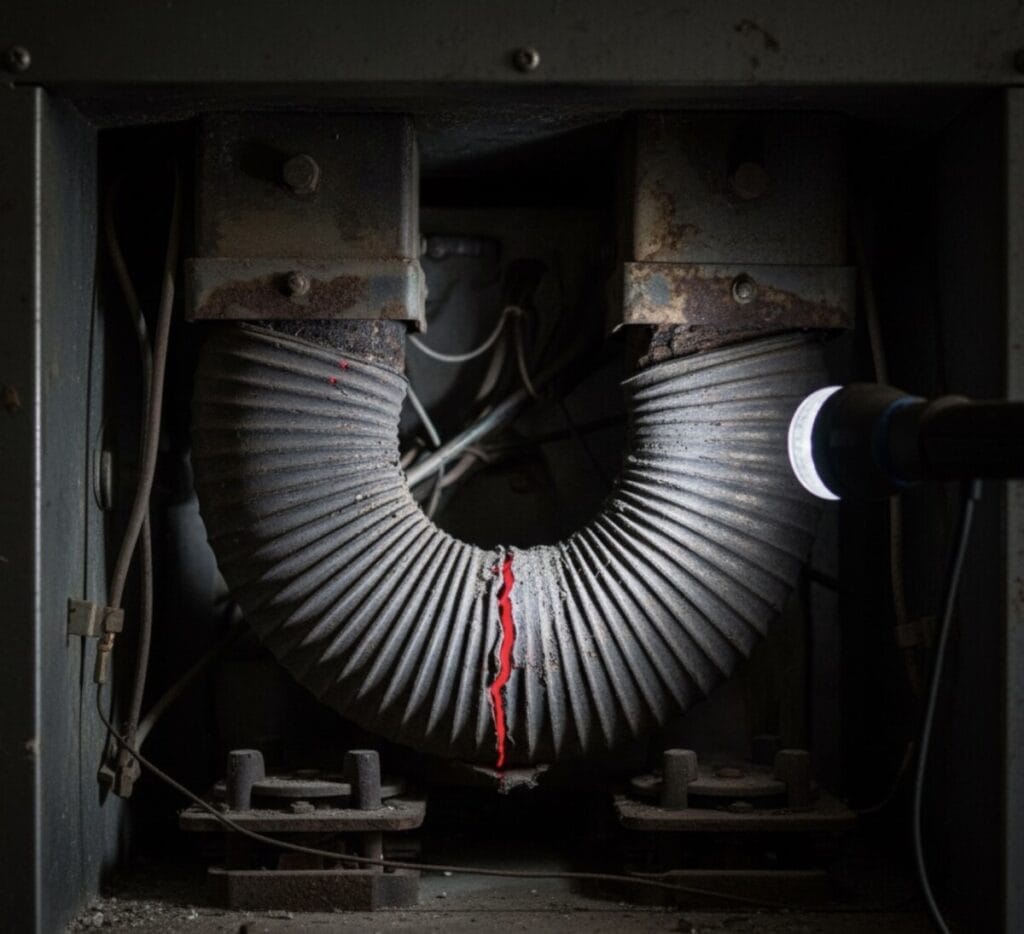
- Cracked Heat Exchanger: $800 to $2,500. This is the most dangerous and expensive repair. A cracked heat exchanger allows combustion gases (including Carbon Monoxide) to enter the living space. If your technician diagnoses a cracked exchanger, replace the entire unit immediately.
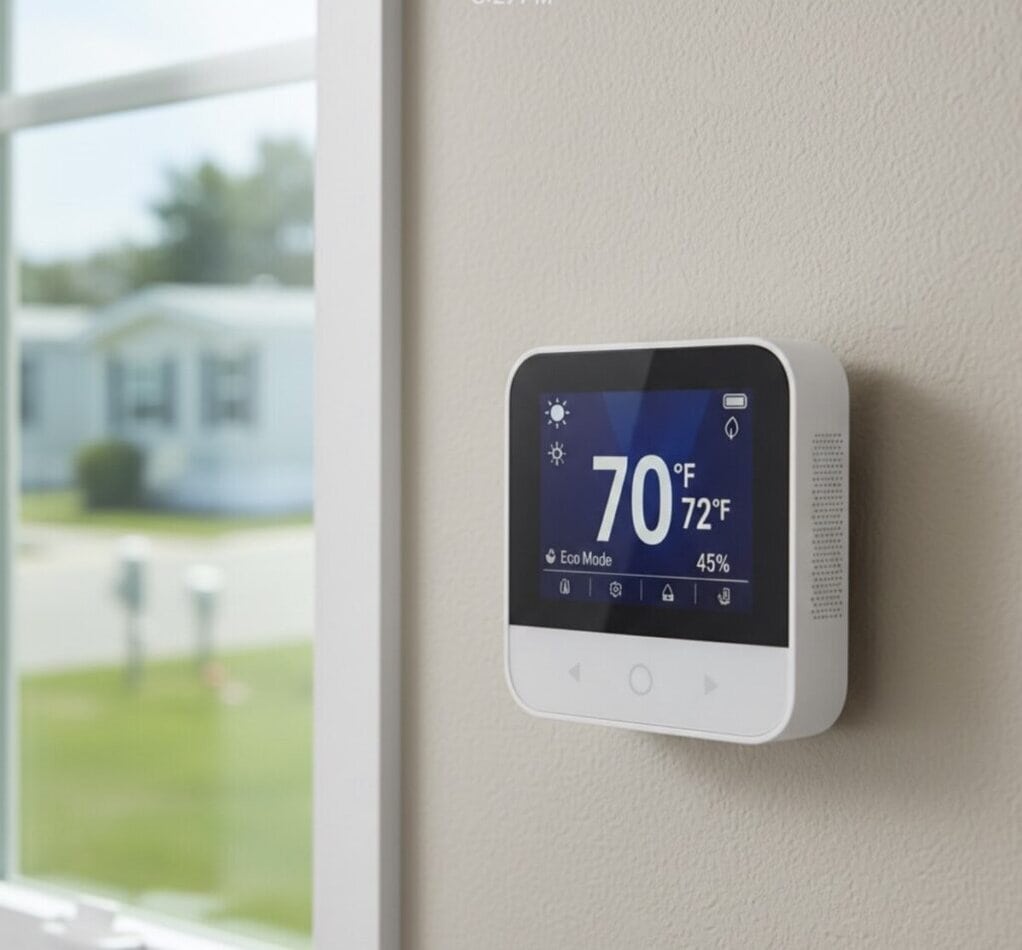
Often a simple fix, but switching to a smart thermostat can drastically improve efficiency and save money. I recommend this smart thermostat that is compatible with most mobile home HVAC systems for maximum energy savings.
Summary
Managing the lifespan of your mobile home furnace is not a matter of luck; it is a direct function of proper, preventative maintenance. My rule is simple: Do not defer maintenance and be aggressive about replacing the unit once it hits the 15-year mark or requires a major repair exceeding 50% of the new unit cost. This forward-thinking strategy will always deliver the highest return on investment and keep utility bills down.
Related Questions
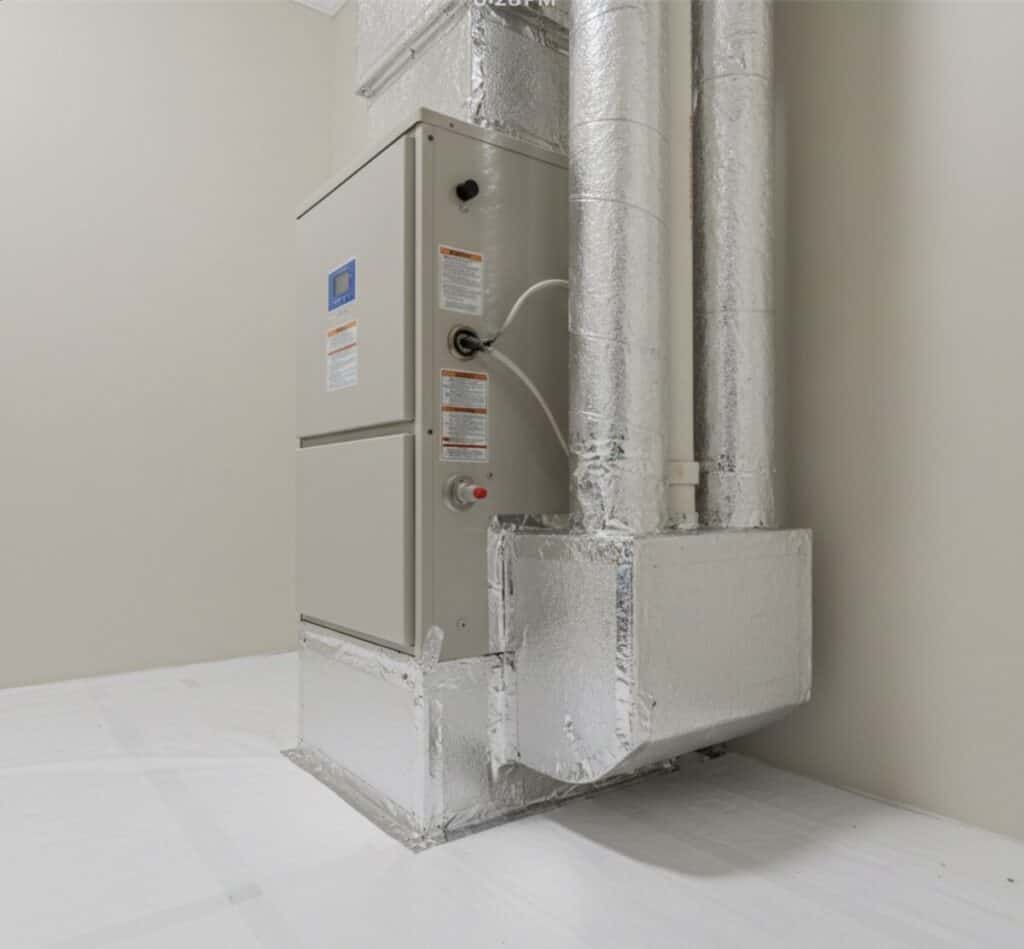
- Why are mobile home furnaces different from residential furnaces? They are generally smaller, designed to take up less space, and are often downflow units (air blows down into the ductwork under the floor). They require mobile home-specific parts (HUD-approved) and often have a smaller heat capacity (BTU) relative to site-built homes.
- How can I keep my plumbing from freezing if the furnace fails? The best defense against frozen pipes is a properly sealed and insulated underbelly. The air under the home stays warmer when sealed. For a full guide on preventing major cold-weather damage, see my guide on Mobile Home Underbelly Insulation and Skirting.
Written by a real estate investor who has successfully renovated over 100 properties, specializing in diagnosing and resolving mobile home HVAC and furnace inefficiencies for maximum energy savings.