
Table of Contents
Introduction
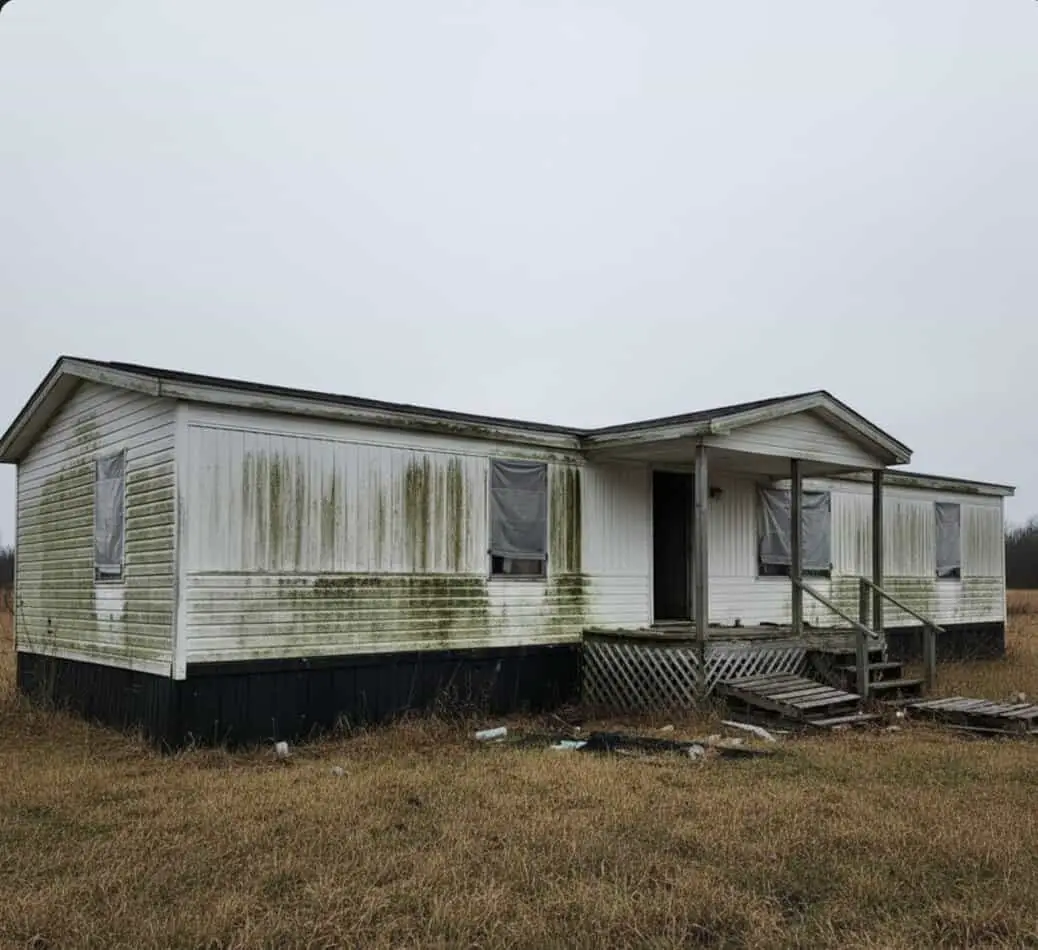
(Updated December 5, 2025) When you invest in an older mobile home, you’re often buying potential—and usually, some problems. The good news is that most common issues, while intimidating at first glance, are fixable. The bad news? If you don’t know what you’re doing, or you hire the wrong people, the costs can spiral out of control. My career has been built on taking these older properties and bringing them back to life profitably. Over the years, I’ve seen just about every major mobile home problem you can imagine. This guide breaks down the *real* costs for the biggest headaches: roofs, subfloors, and foundations. I’ll share what to look for, what to expect to pay, and how to avoid getting ripped off.
Video Guide Overview
Affiliate Disclosure: This guide contains affiliate links to materials and tools used and recommended for profitable mobile home repairs, including foundation, roofing, and subfloor products. If you purchase through these links, Mobile Home Friend may earn a small commission, at no extra cost to you.
The Short Answer: Major Mobile Home Repair Costs (2025 Estimates)
Based on my experience across hundreds of renovations, here’s a quick overview of what you can expect to pay for the most common—and critical—repairs:
| Type of Repair | Average Cost Range (Pro) | Key Indicator |
|---|---|---|
| Roof Repair/Replacement | $1,000 – $7,000+ | Leaks, spongy spots, visible damage. |
| Subfloor Repair | $500 – $3,000+ | Soft, spongy, or rotten spots on the floor. |
| Foundation Re-Leveling | $1,500 – $5,000+ | Uneven floors, bowed walls, sticking doors. |
These are general ranges. To get a precise quote, always get at least three bids from reputable, licensed contractors.
The Roof: Your First Line of Defense (and Biggest Money Pit if Ignored)
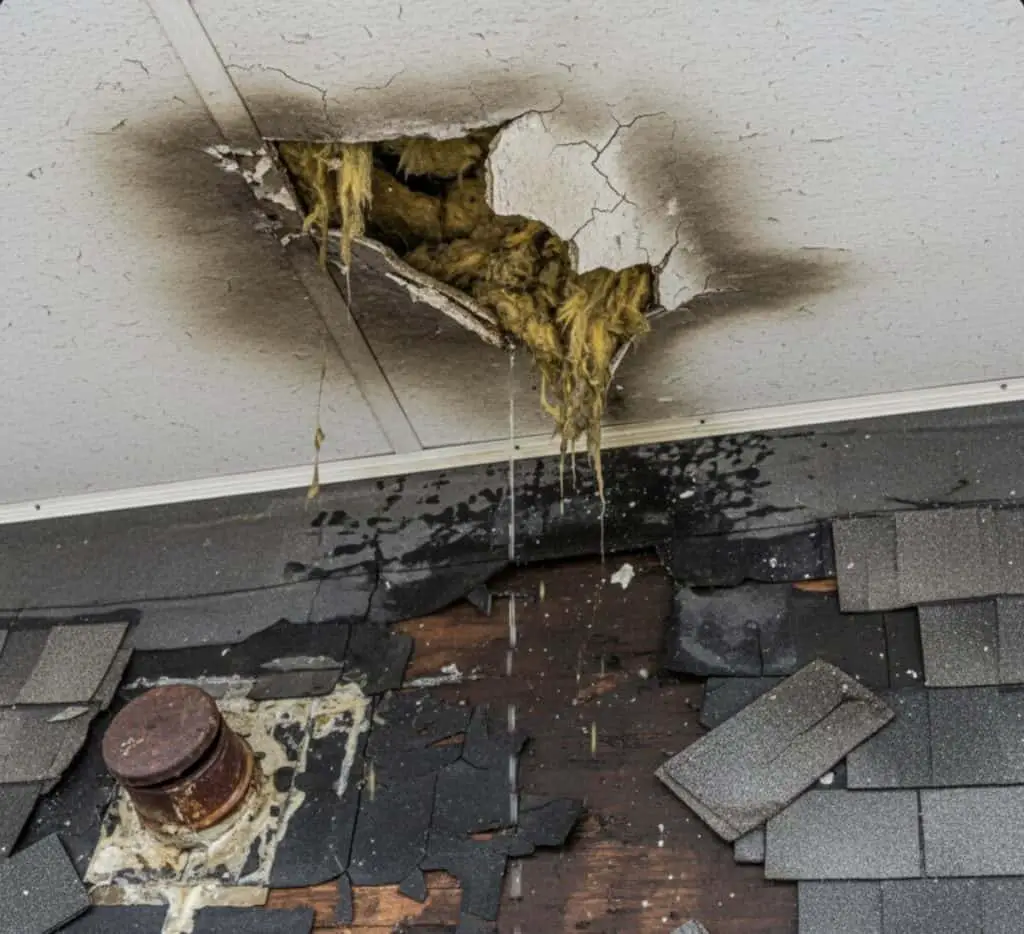
I’ve walked into too many mobile homes where a small leak turned into a catastrophic headache simply because it was ignored. The roof on a manufactured home is its primary shield. When it fails, everything underneath is at risk.
What to Look For:
- Water Stains on Ceilings: This is the obvious one, but often by the time you see a stain, the leak has been active for a while.
- Spongy Spots on the Roof: If you can safely get on the roof, press down gently. Any soft spots mean water has penetrated the decking. This needs immediate attention.
- Missing Shingles or Damaged Seams: For shingled roofs, look for missing or curled shingles. For membrane roofs, check for cracks, tears, or lifted seams, especially around vents and skylights.
Expected Costs for Roof Repair:
The cost here varies wildly based on what type of roof you have and the extent of the damage. My advice? **Don’t skimp on roof repairs.** A cheap fix today will cost you triple tomorrow.
- Patching Small Leaks: For a simple patch, sealing a vent, or minor flashing repair, you might pay $250 – $750. This is for minor, localized damage.
- Full Roof Coating: This is my go-to for many older membrane roofs that aren’t actively leaking but need rejuvenation. A quality elastomeric coating can extend the life of your roof by years and cost anywhere from $1,000 – $3,000 for a professional job on a single-wide.
- Partial Shingle Replacement: If only a section of shingles is damaged, expect to pay $500 – $1,500.
- Full Roof Over/Replacement: For extensive damage or if you want to convert from a flat membrane to a pitched shingle roof, you’re looking at a significant investment, often between $3,000 – $7,000+ depending on materials and complexity.
For a deep dive into specific materials, DIY options, and how to get the most accurate bid, check out my complete guide: Mobile Home Roof Repair Costs: The Complete Price Guide.
The Subfloor: Where Comfort Meets Stability
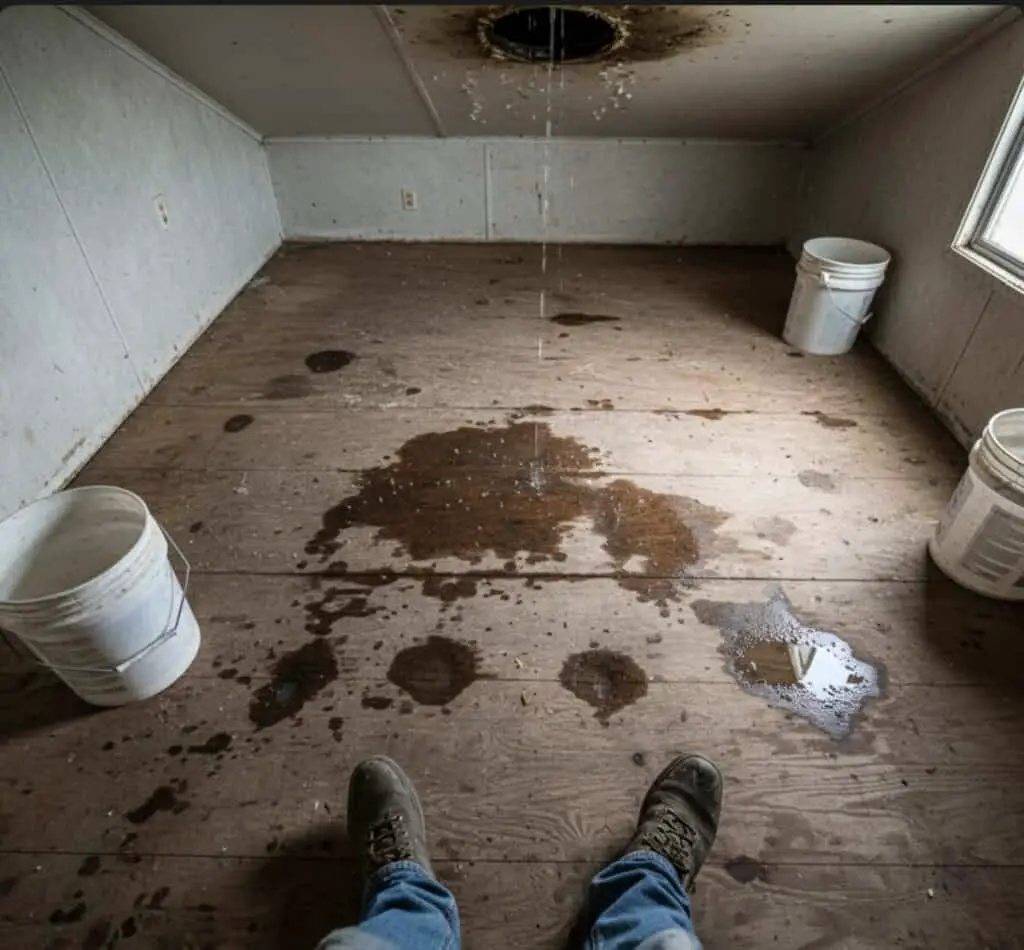
Nothing screams “old mobile home” faster than a spongy floor. I’ve repaired countless subfloors, and almost every time, the root cause is water. Whether it’s a leaky toilet, a faulty water heater, or just persistent moisture from below, water destroys the particle board that makes up most older mobile home subfloors.
The feeling of a solid floor underfoot contributes massively to the perception of quality. It’s one of the first things a buyer notices, and definitely one of the first things I address in a flip.
Common Signs of Subfloor Damage:
- Soft, Spongy Spots: Most often found in bathrooms, kitchens, and near exterior doors. You’ll feel the floor give when you step on it.
- Sagging or Uneven Areas: Sometimes the damage is widespread, causing noticeable dips in the floor.
- Visible Water Stains or Mold: If you can access the subfloor from underneath, look for discoloration or mold growth.
Expected Costs for Subfloor Repair:
Repairing a subfloor can be tedious, but it’s a necessary step. My goal is always to create a perfectly flat and solid surface for new flooring. The costs depend on how much subfloor needs to be replaced.
- Small Area (e.g., around a toilet): For a localized repair, replacing a 4×4 section, you might spend $300 – $800, including materials and labor.
- Medium Area (e.g., a kitchen section): Replacing a larger section, say 10×10 feet, could run $800 – $1,800. This often involves removing cabinets or appliances.
- Extensive Damage (Multiple Rooms): If you’re dealing with widespread damage, particularly in a double-wide, costs can jump to $1,800 – $3,500+. This often involves replacing large sections of flooring and can take several days.
I’ve developed a precise methodology for fixing these issues. You can find my full step-by-step process, recommended materials, and cost-saving tips here: The Complete Guide to Mobile Home Subfloor Repair.
The Foundation: The Silent Support System (Don’t Ignore It!)
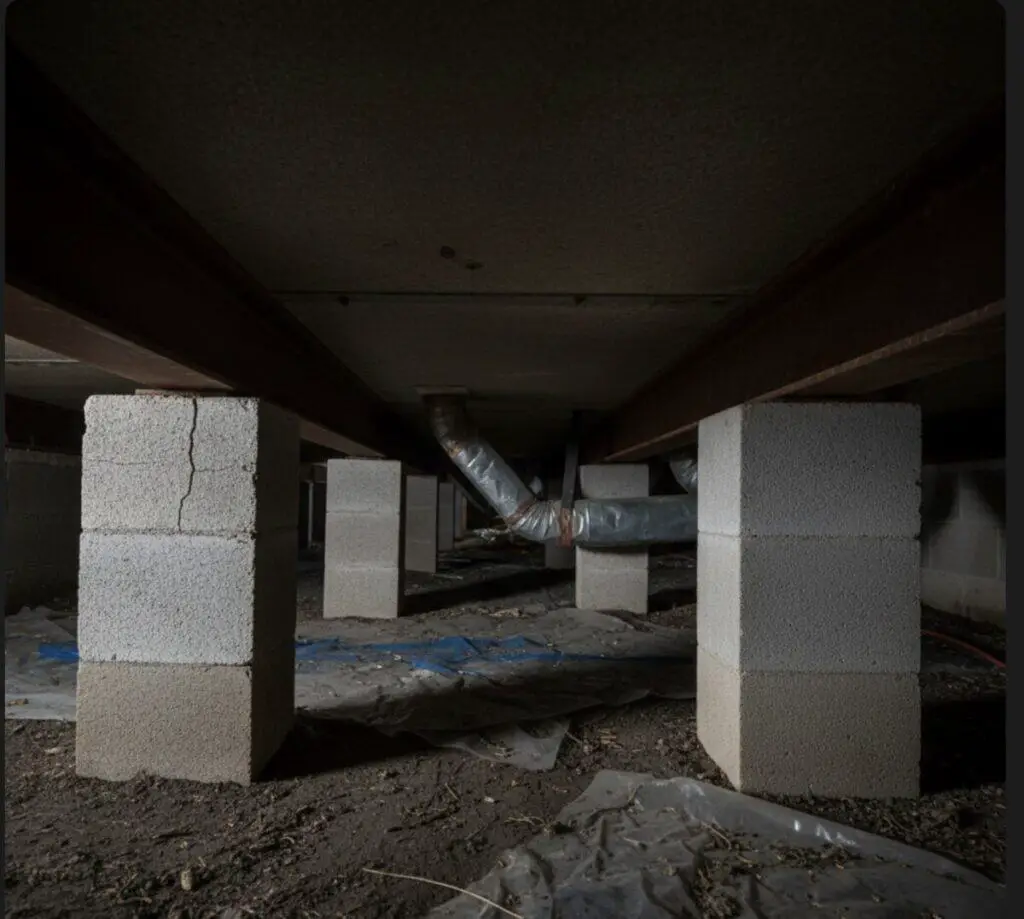
The foundation of a mobile home is its backbone. If it’s off-kilter, you’ll know it. Doors won’t latch, windows stick, walls bow, and floors feel uneven. These aren’t just cosmetic issues; they’re structural red flags that can cause long-term damage if ignored. I’ve seen homes where minor settling turned into major framing issues because the foundation wasn’t addressed early.
This is one area where DIY is almost never the answer unless you have very specific heavy-duty equipment and expertise. Always hire a professional for foundation work.
Signs Your Foundation Needs Attention:
- Sticking Doors and Windows: The most common sign. Frames get racked out of square.
- Cracks in Walls or Ceilings: Especially around door and window frames.
- Uneven or Sloping Floors: Use a level. If it’s consistently off in one direction, you have settling.
- Bowing or Separating Walls: A serious sign that the entire structure is under stress.
Expected Costs for Foundation Re-Leveling:
Foundation work, while critical, isn’t always as expensive as traditional stick-built homes. However, it requires specialized skills and equipment.
- Minor Re-Leveling (Few Piers): For small adjustments to a few piers, you might pay $700 – $1,500. This assumes relatively easy access and minimal prep work.
- Standard Re-Leveling (Full Home): Most typical jobs for a single-wide involve adjusting numerous piers and can cost between $1,500 – $3,500. Double-wides will naturally be more expensive due to their size and number of support points.
- Extensive Damage (Pier/Beam Replacement): If piers need replacing, or the main steel I-beams are compromised, costs can easily jump to $3,500 – $6,000+. This is less common but happens with severe long-term neglect.
For a detailed breakdown of the re-leveling process, identifying problems, and what to expect from contractors, consult my comprehensive guide: Mobile Home Foundation Re-Leveling and Repair
Don’t Let Problems Fester: Proactive Maintenance Pays Off
My biggest takeaway after years in this business is that **small problems become huge expenses if ignored.** A leaky roof becomes subfloor rot. Subfloor rot becomes a structural issue. Addressing these common mobile home problems early isn’t just about saving money; it’s about protecting your investment and ensuring the long-term livability of the home.
Always perform regular inspections, especially of the roof, around plumbing fixtures, and underneath the home. And when in doubt, call a professional. The peace of mind—and the avoided future costs—are always worth it.
Related Questions
- I have soft spots—do I need a full subfloor replacement? Not always. Often, a soft spot can be repaired locally using a patch of plywood and a self-leveling compound. However, the cause—usually a water leak—must be fixed first. For the exact steps on how to fix a local area without tearing up the whole house, see my guide: The Complete Guide to Mobile Home Subfloor Repair.
- Should I replace my old furnace/air handler with a new high-efficiency system? If your unit is extremely old, replacing it with a new, high-efficiency system is a smart investment that saves thousands in energy costs. When you do this, I always recommend moving the air handler out of the closet inside the home to gain valuable pantry space. We discuss the cost and benefits of these high-efficiency upgrades, including tankless water heaters, here: Can Tankless Water Heaters Be Installed in Mobile Homes?
Written by a real estate investor who has successfully renovated over 100 properties, specializing in efficient, cost-effective structural and maintenance repairs for manufactured homes.