
Table of Contents
Introduction
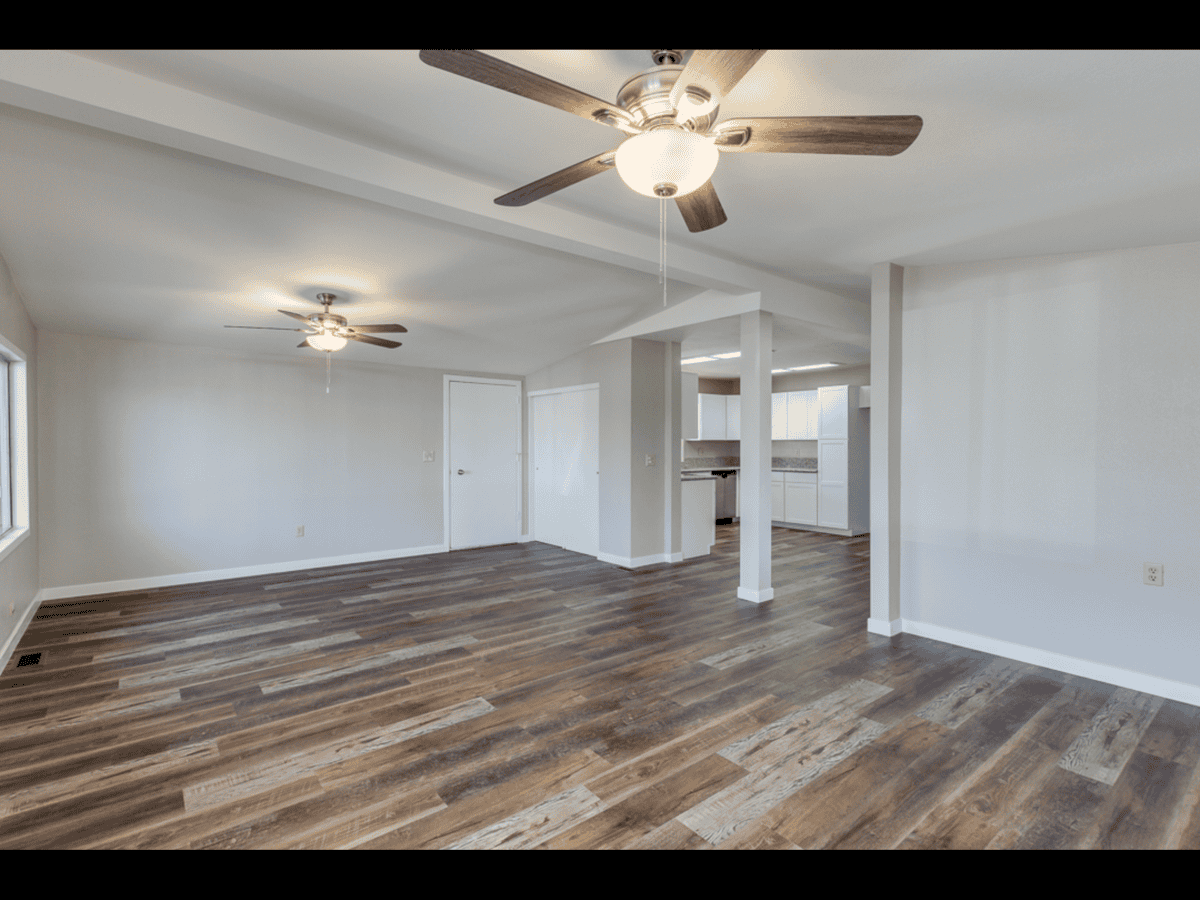
(Updated December 9, 2025) For an investor, few things boost a mobile home’s visual appeal and value more than new, high-quality flooring. However, choosing the wrong material can lead to rapid failure, especially with the unique moisture and foundation issues common to manufactured homes.
I focus exclusively on materials that offer the highest return on investment (ROI), durability, and buyer appeal, avoiding expensive, fragile options. This guide breaks down the true installed costs of the top three materials—Luxury Vinyl Plank (LVP), laminate, and carpet—and the critical importance of ensuring your subfloor is solid and level before installation.
Video Overview Guide
Affiliate Disclosure: This guide contains affiliate links to flooring materials (LVP), subfloor repair compounds, and tools used for high-ROI mobile home renovations. If you purchase through these links, Mobile Home Friend may earn a small commission, at no extra cost to you.
The Short Answer: Total Flooring Installation Costs (2025 Estimates)
Total project cost depends on the material chosen and whether the subfloor requires extensive repair (which must be done first). These estimates cover material plus professional labor for a standard 1,200 sq ft double-wide.
| Flooring Material | Material Cost (Per Sq Ft) | Total Installed Cost (Per Sq Ft) |
|---|---|---|
| Luxury Vinyl Plank (LVP) | $2.00 – $4.00 | $4.00 – $7.50 |
| Laminate Flooring | $1.50 – $3.00 | $3.00 – $6.00 |
| Carpet (Mid-Grade) | $1.00 – $2.50 | $2.50 – $5.00 |
The average total cost for materials and professional labor to floor a 1,200 sq ft home with LVP is approximately $4,800 to $9,000.
My $3,000 Lesson: How Ugly Flooring Saves Fortunes
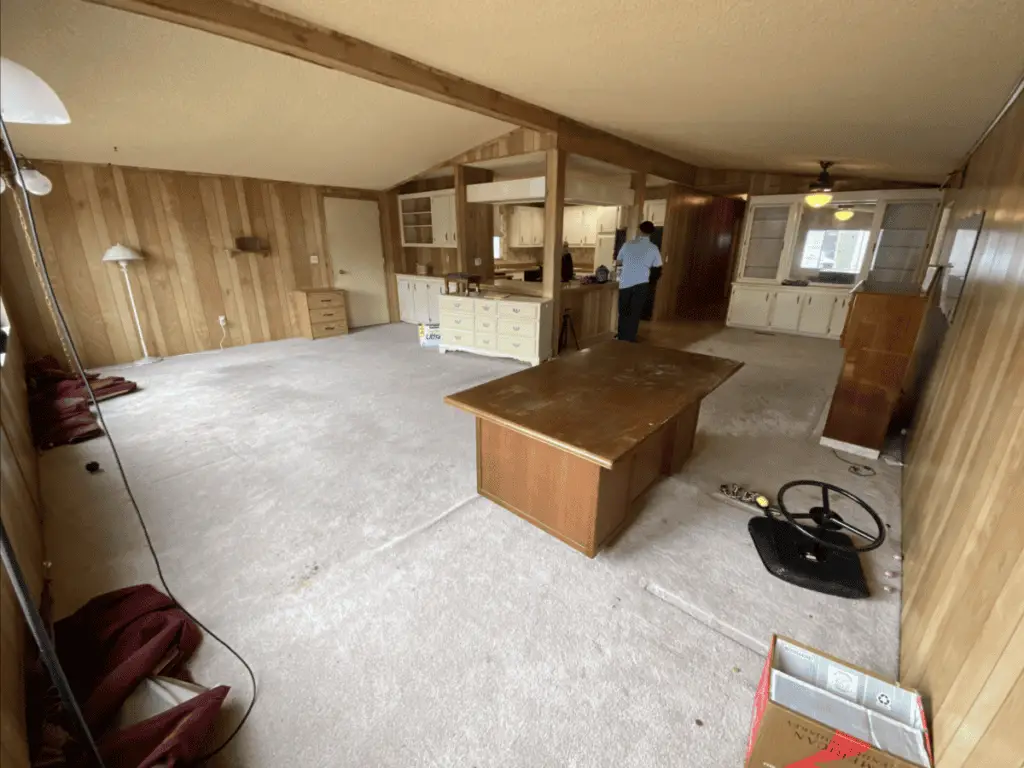
I want to tell you about a 1987 mobile home I bought about three years ago in a local park. This story perfectly encapsulates why flooring is one of the biggest levers you have for buying a house cheap and selling it for a profit.
I went to bid on the place, and I knew instantly that the mechanicals were outstanding. It had a newer HVAC unit, which saved me a $6,000 headache right there. The windows had been replaced with vinyl double-panes, meaning the energy efficiency was already secured. Structurally, the walls and roof were solid. This home should have sold for $9,000 to $10,000 in the wholesale market, minimum.
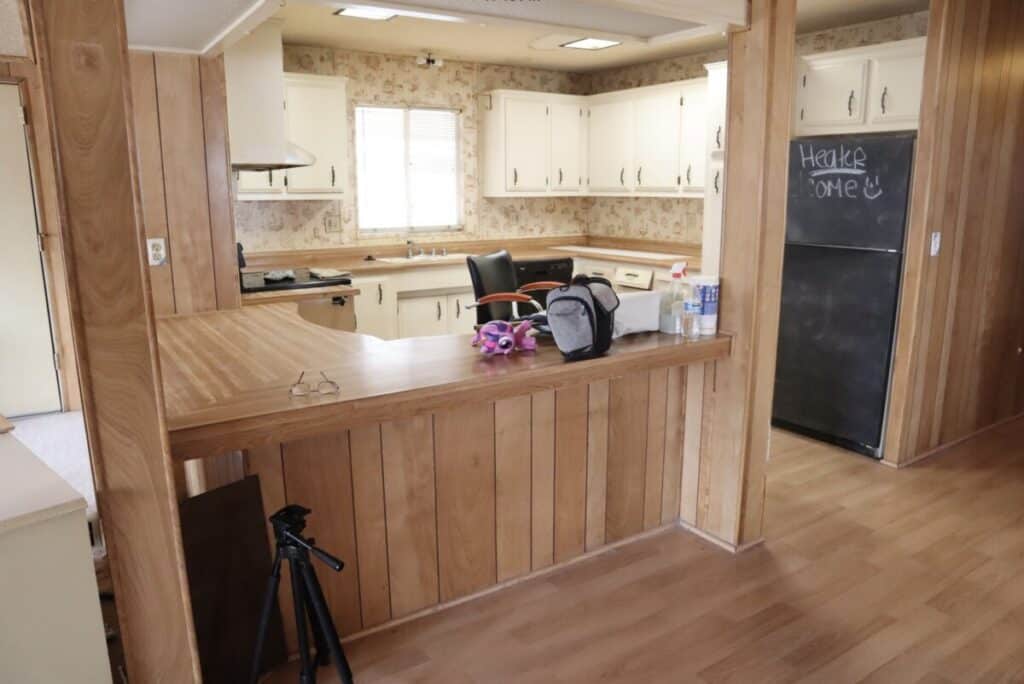
Then I walked inside. Imagine a home decorated by a retired clown on a cruise ship—that was the aesthetic. The carpet was a shade of burnt orange that had not been popular since the first George Bush was in office. The kitchen sheet vinyl looked like someone had melted a thousand pennies and poured them over a pattern of distressed sunflowers. It was a sensory assault. Every potential buyer who walked in saw the floor first, and their brain instantly rejected the property. They assumed, logically, that a floor that looked that bad meant the entire house was structurally compromised.
But the real fun started when I did the famous “investor floor dance.” I started testing the subfloor with my foot, and sure enough, in the kitchen near the sink and in the guest bathroom, I found them: the soft spots. Not huge holes, but that spongy, unsettling feeling underfoot that tells you the particle board subfloor has soaked up enough moisture over the last 30 years to turn into wet oatmeal. The house was full of these spots in most all of the heavier trafficked areas.
The only other interested buyer did not make a bid; to my advantage.
I saw an opportunity. Because the big money items (HVAC and windows) were already replaced, I knew the “$3,000 price tag”the owner finally accepted was a gift. I paid roughly one-third of the property’s true market value simply because of ugly, damaged flooring. The seller was so desperate to offload the “disaster” that they didn’t care about the newer A/C unit, probably less than 5 years old, they were essentially giving away for free. They were solely focused on the immediate, tangible problem under their feet.
It cost me less than $600 in materials (plywood, 2x4s for sistering, and self-leveling compound) to fix the soft spots correctly, followed by a total of $4,000 for high-quality LVP throughout the entire home and new carpet in the bedrooms. In less than three weeks, I had a cosmetically perfect, structurally sound, and energy-efficient home. I sold it for a significant profit of over $30,000. The lesson is simple: never let ugly flooring—or the cost to fix it—scare you away from a profitable deal. But, always leverage it when you’re on the buying end.
Mandatory Warning: Don’t Cover a Failed Subfloor
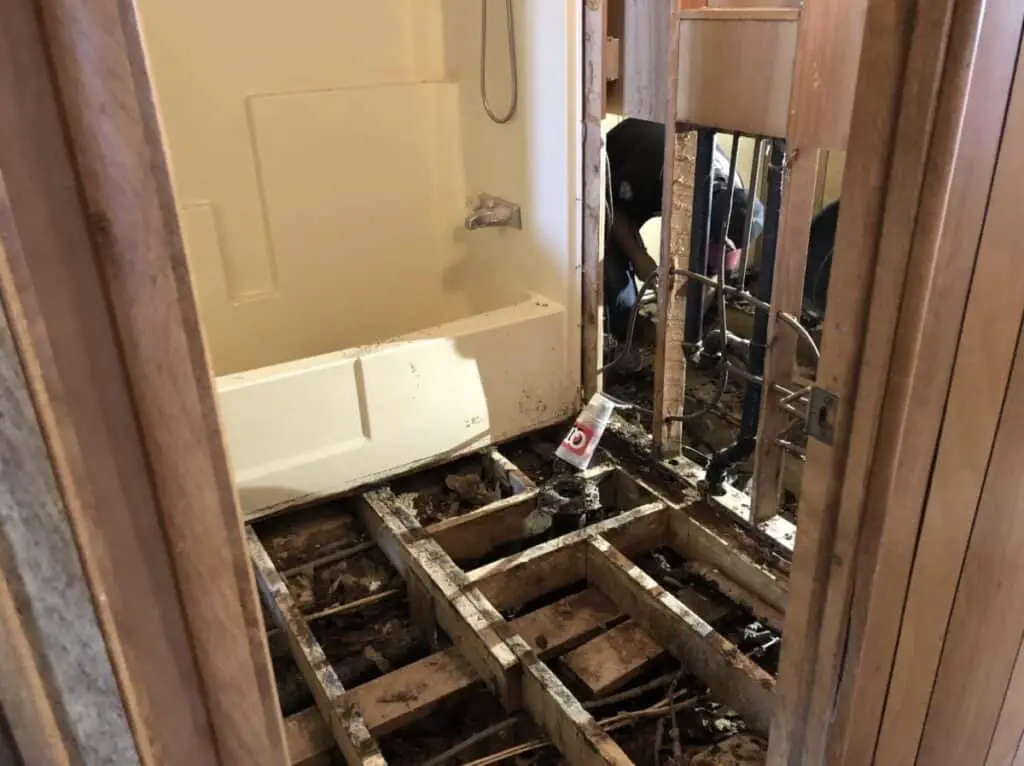
The single biggest mistake a new investor can make is installing new flooring over a spongy, unlevel, or damaged subfloor. Flooring does not fix structural issues. If the subfloor is failing, the new flooring will show ripples, seams will separate, and the investment will be wasted within a year.
Three Pre-Installation Checks:
- The Level Test: Use a 6-foot level to check for dips and humps. If uneven, use self-leveling compound before installation.
- The Sponginess Test: Walk the floor perimeter. If you feel soft spots or movement, the particle board is failing due to moisture.
- The Source Check: If the subfloor is wet or damaged, the problem is moisture from above (plumbing/windows) or below (failed belly wrap/skirting). Fix the source first. For detailed repair instructions, see: The Complete Guide to Mobile Home Subfloor Repair.
If the source of the subfloor damage is coming from foundation settling, you must address the structural supports first: Mobile Home Foundation Re-Leveling and Repair Costs.
LVP vs. Laminate vs. Carpet: Maximizing Durability and Appeal
For mobile homes, you must prioritize water resistance and durability over aesthetic novelty. Here is my ranking of materials based purely on long-term investor ROI:
1. Luxury Vinyl Plank (LVP) – Highest ROI
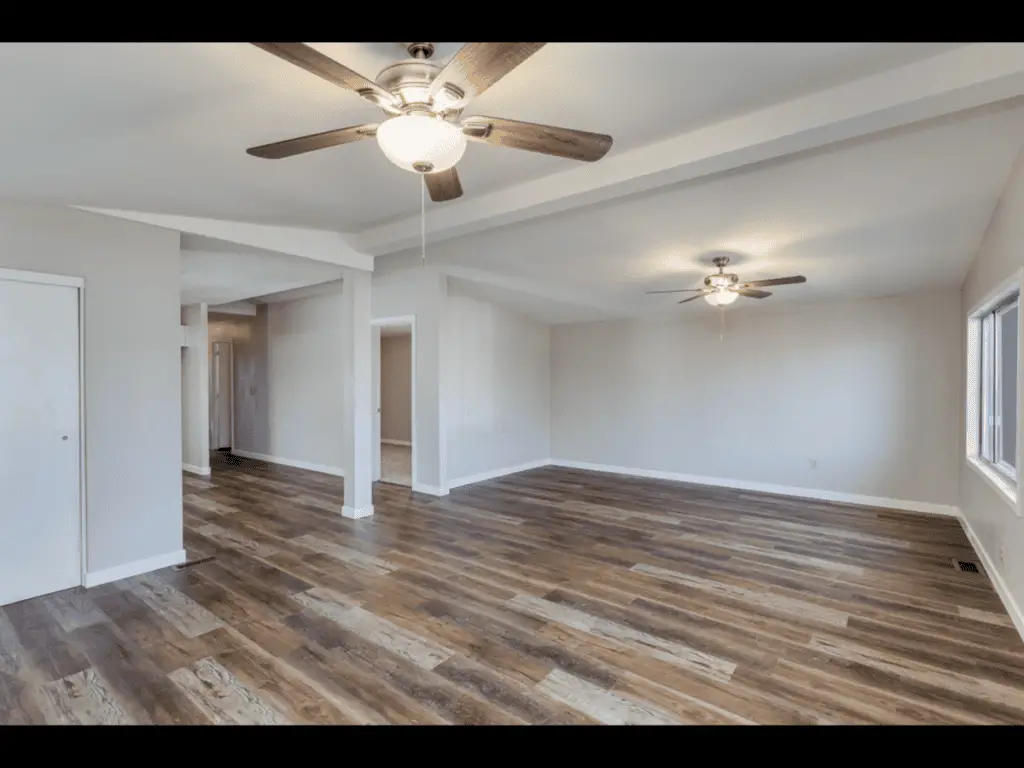
LVP is 100% waterproof and highly durable, making it ideal for the high moisture and traffic conditions found in mobile homes. Its click-lock installation system is forgiving of minor subfloor imperfections and it is highly appealing to renters and buyers. This should be your default choice for kitchens, bathrooms, and living areas.
2. Carpet – Lowest Durability/Cost
Carpet is the lowest cost material and still acceptable for bedrooms. It provides good insulation but offers terrible ROI in living areas where spills and wear occur. Use the lowest quality, high-density carpet available only in bedrooms to minimize cost while retaining comfort appeal.
3. Laminate – High Risk/Moderate Cost
Laminate looks like wood but is made of wood fiber. It is cheap but is highly vulnerable to water damage. One major plumbing leak will swell and destroy the entire floor, forcing a full replacement. I rarely use laminate in mobile homes due to this high-risk factor.
DIY vs. Pro: When to Hire and When to Save
The materials you choose directly impact whether you can save money by installing it yourself or if professional help is required.
- LVP and Laminate: These are excellent DIY projects. The planks simply click together, and installation requires basic tools (utility knife, speed square, saw). If your subfloor is level, a competent DIYer can install 1,200 sq ft in two to three days.
- Carpet: Professional installation is mandatory. Carpet requires specific tools (stretchers, tack strips) that do not justify the cost for a single-home project. Always use a professional service that includes padding and installation in the quote.
- Tile (Avoid): Tile is structurally risky in mobile homes. Because manufactured homes move and settle more than site-built homes, tile is highly prone to cracking and grout failure. Avoid tile unless the home is permanently set on a concrete foundation.
?️ Key Product Recommendations for Maximum Flooring ROI
These two products directly address the two biggest issues in mobile home flooring: material failure due to moisture and an unlevel subfloor.
✅ Option 1: Highest-ROI Flooring Material (LVP)
This High-Quality, Waterproof Luxury Vinyl Plank (LVP) is a zero-risk investment. It offers superior durability, is 100% waterproof, and uses a reliable click-lock system that makes DIY installation straightforward, saving on labor costs while maximizing buyer appeal.
✅ Option 2: Subfloor Leveling (Mandatory Pre-Installation Step)
Leveling the subfloor is non-negotiable before laying LVP. This Self-Leveling Floor Compound is easy to mix and pour, creating a perfectly flat surface that eliminates squeaks and prevents the new flooring seams from separating.
Summary
Flooring replacement is the critical step in moving a renovation from “functional” to “market-ready.” Focus your budget on high-quality, waterproof “LVP” for your high-traffic areas, and never proceed until the subfloor is dry, level, and structurally sound. This combination maximizes the longevity and financial appeal of your investment.
Related Questions
- Should I remove the old vinyl flooring before installing LVP? In most cases, yes. While LVP can be installed over thin sheet vinyl, removing the old material allows you to inspect the subfloor for hidden soft spots and ensures the new floor is flat, preventing future squeaks.
- Do I need a vapor barrier for the subfloor? Yes. If your subfloor is still particle board or if you are installing laminate, a plastic vapor barrier is necessary to prevent moisture migration from the crawl space. For LVP, the vapor barrier is often built into the plank padding.
Written by a real estate investor who has successfully renovated over 100 properties, specializing in diagnosing and resolving mobile home structural and interior finish issues for maximum resale value.