
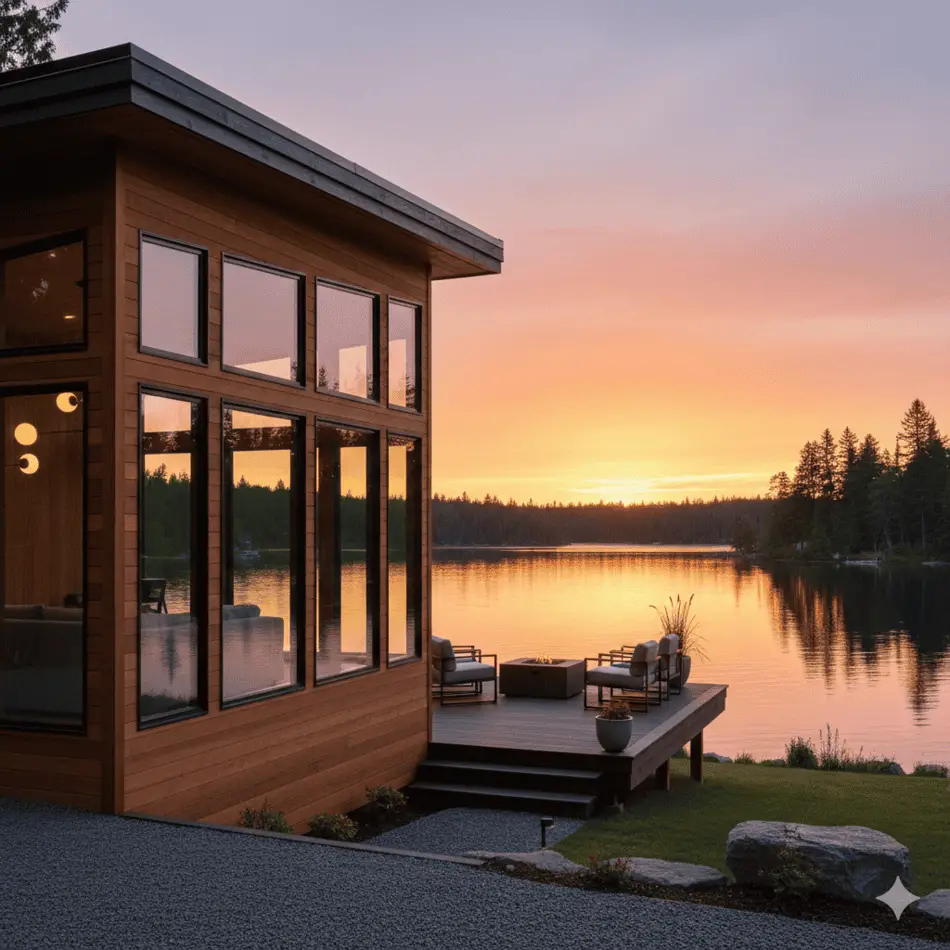
Table of Contents
Introduction
I have spent the last two decades in the trenches of the factory-built housing industry. In that time, I have flipped over 100 properties, and I can tell you that the Park Model Home remains one of the most misunderstood assets in real estate. People see a structure that looks like a beautiful cottage and they assume it follows the same rules as a standard house or even a traditional mobile home. They are wrong. This misunderstanding leads to massive headaches with zoning, financing, and resale value.
The original version of this guide was written years ago. Since then, the market has shifted. In 2026, we are seeing a massive surge in “tiny living” and short-term rental investing. Investors are flocking to park models because they offer a high-end aesthetic at a fraction of the cost of site-built construction. However, if you do not understand the first principles of how these units are classified, built, and regulated, you are setting yourself up for a financial wreck. This article is the deep-dive technical manual you need to navigate this niche successfully.
Video Guide Overview
Affiliate Disclosure
In the interest of full transparency, this article contains affiliate links. If you purchase through these links, I receive a small commission at no additional cost to you. I only recommend tools and products that I have personally used on my job sites or that have been vetted through my 20+ years of property management and renovation experience. My reputation is worth more than a referral fee.
The “Short” Answer
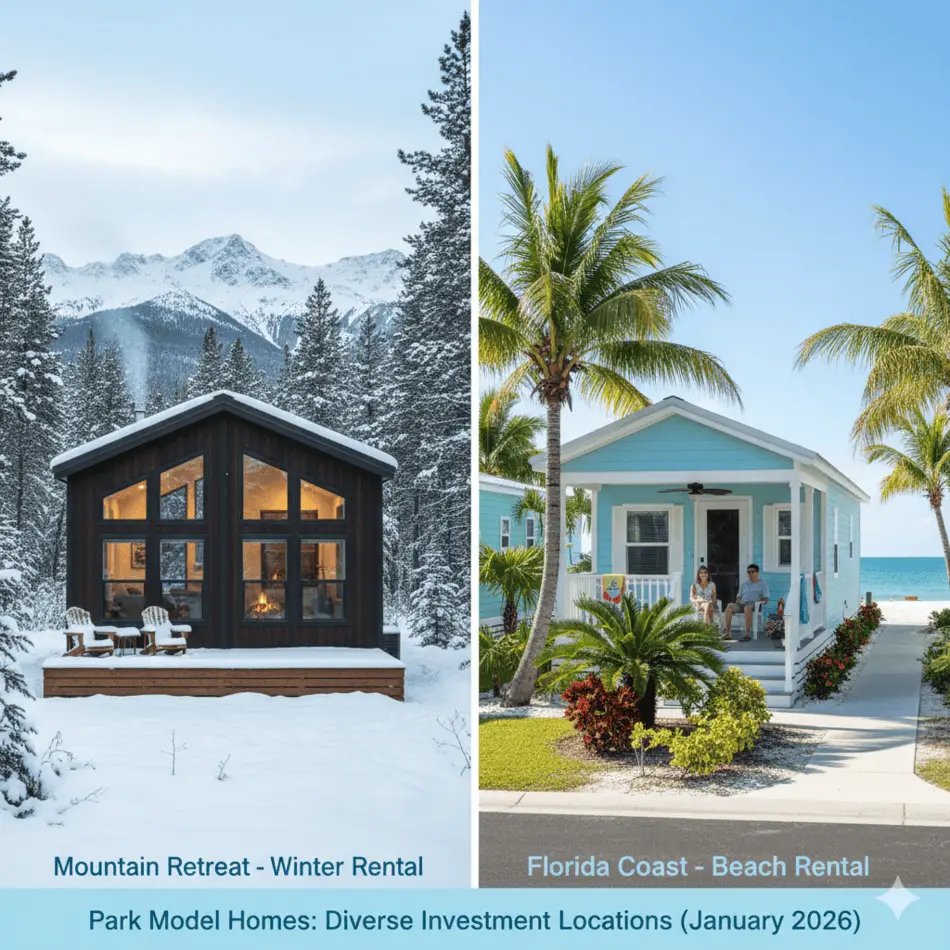
A park model home is legally a recreational vehicle (RV) designed for long-term placement. It is built to the ANSI A119.5 code, not the HUD code (for manufactured homes) or local IBC codes (for site-built homes). By law, it must stay under 400 square feet in the United States (excluding Florida, which allows up to 499 square feet). It is built on a permanent chassis with wheels, intended to be transported to a site and connected to utilities. It is personal property, not real estate, meaning you get a title, not a deed.
Deep Dive: The Anatomy of a Park Model
The Legal Distinction: Why 400 Square Feet Matters
The 400-square-foot rule is the single most important factor in the park model world. This is a federal regulation. If a manufacturer builds a unit that is 401 square feet, it is no longer an RV. It must then meet the HUD Code for manufactured housing. This change in classification triggers a cascade of different requirements: heavier steel in the chassis, different insulation standards, and a completely different set of safety inspections. As an investor, if you buy a “park model” that secretly exceeds 400 square feet without the HUD seal, you own an illegal structure that cannot be insured or legally placed in most parks.
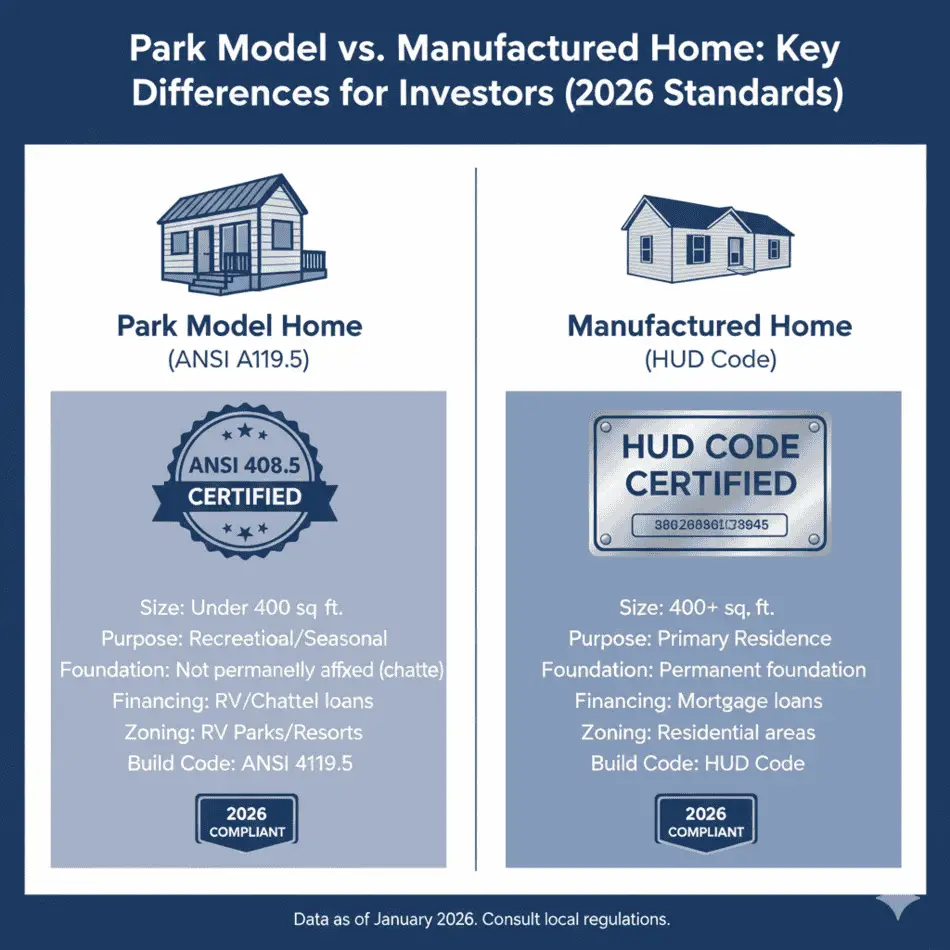
I always tell my clients to measure the exterior. Manufacturers are masters at maximizing space. They use loft spaces and covered porches to make a 399-square-foot unit feel like 700 square feet. In most jurisdictions, lofts do not count toward the square footage as long as the ceiling height is less than five feet. This is the “secret sauce” of the park model industry. You can have a master bedroom on the main floor and two “sleeping lofts” above, effectively doubling your occupancy for a rental unit while staying within the legal RV definition.
Chassis, Framing, and Durability
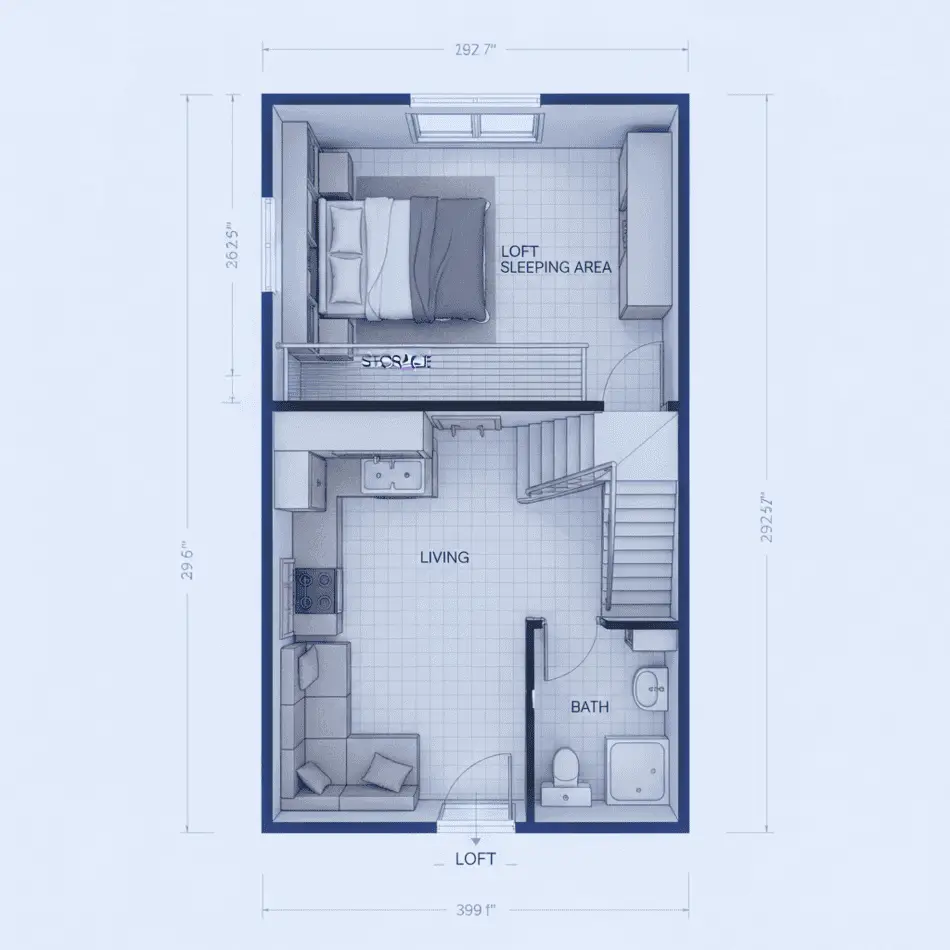
Unlike a travel trailer that has a lightweight aluminum or thin steel frame, a park model is built on a heavy-duty integrated steel I-beam chassis. This is the foundation. On top of this, manufacturers use standard residential framing: 2×4 or 2×6 wood studs, 16 inches on center. This is why they look like houses. They have real shingles, real vinyl or fiber-cement siding, and residential-grade windows. When you walk inside, it does not feel like a camper; it feels like a high-end condo. This “residential feel” is exactly why they command such high rents in the Airbnb and VRBO markets.
Plumbing and Electrical Systems
This is where many newcomers get tripped up. Most park models use PEX plumbing and standard residential electrical components. However, they are designed for a 50-amp or 100-amp hookup. You cannot simply plug a park model into a standard 15-amp wall outlet at your house. They require a dedicated RV pedestal or a hardwired connection to a secondary panel. In 2026, we are seeing more units equipped with “smart” energy management systems to handle mini-split HVAC units, which are the gold standard for heating and cooling these small spaces efficiently.
The Financial Reality: Personal Property vs. Real Estate
One of the hardest truths I have to tell investors is that park models do not appreciate like traditional real estate. Because they are titled as vehicles, they are depreciating assets, much like a car or a boat. However, the land they sit on can appreciate, and the income they generate can be astronomical.
Financing Hurdles
You cannot get a 30-year fixed-rate mortgage on a park model. Period. Banks view these as RVs. To finance one, you will typically need a chattel loan or a specialized RV loan. These usually come with higher interest rates (often 2-4% higher than traditional mortgages) and shorter terms, typically 10 to 15 years. You should expect to put down at least 10% to 20% upfront. If you are buying a used unit, financing becomes even harder. Most lenders will not touch a unit older than 10 years.
Taxation and Insurance
Because it is an RV, you pay personal property tax (or a tag fee) rather than real estate property tax in most states. This can save you thousands of dollars annually. Insurance, however, is specialized. You need a Manufactured Home or RV Specialty policy. A standard homeowner’s policy will not cover a park model because it is not attached to a permanent foundation in the eyes of the law.
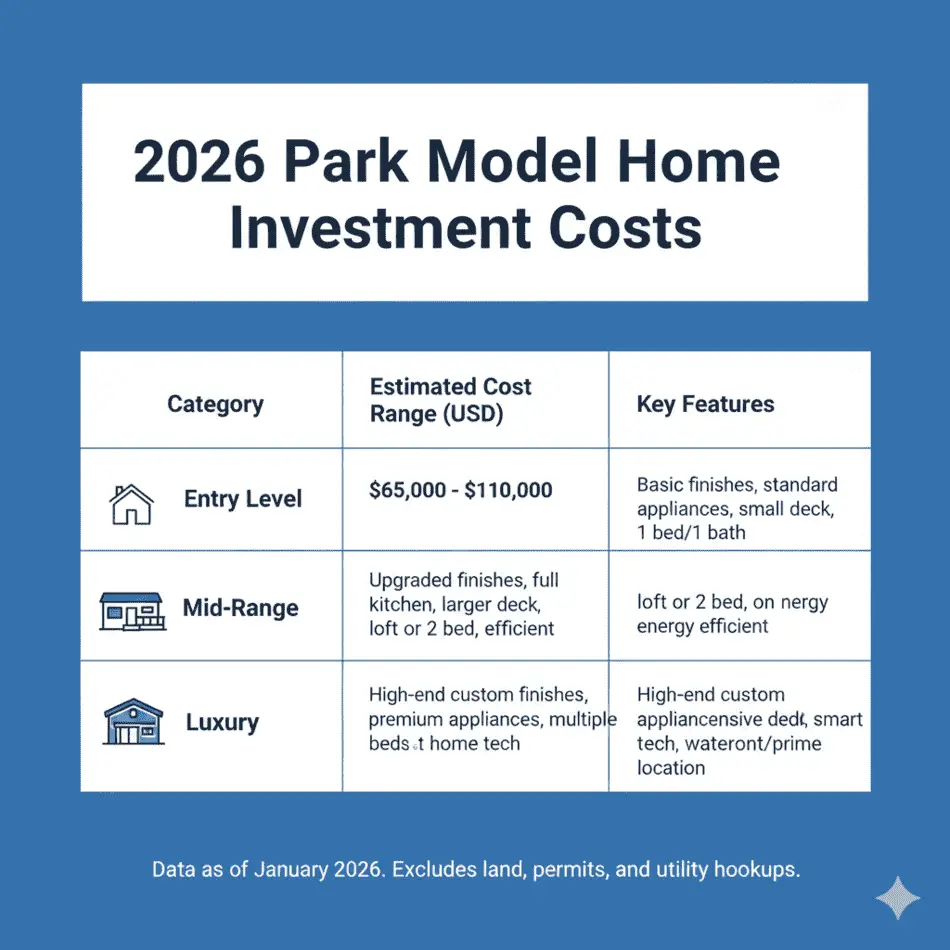
Cost Transparency Table (2026 Estimates)
In the current 2026 market, material costs have leveled off, but specialized labor for setup remains at a premium. These numbers represent realistic “all-in” costs for a professional installation.
| Expense Category | Economy Unit | Mid-Range Unit | Luxury/Custom Unit |
|---|---|---|---|
| Purchase Price | $55,000 – $70,000 | $75,000 – $110,000 | $120,000 – $195,000 |
| Transport (100-200 miles) | $3,500 | $5,500 | $8,000+ |
| Permits and Impact Fees | $500 | $2,500 | $5,000+ |
| Utility Connections | $2,000 | $6,000 | $12,000+ |
| Skirting and Steps | $1,500 | $4,000 | $10,000 (Custom Decking) |
Affiliate Products for Professional Setup
I have learned the hard way that using the wrong tools on a park model leads to leaks and structural issues. These are the three products I recommend for every owner.
| Product Name | Application | Investment Value |
|---|---|---|
| Titan Leveling Kit 5000 | Heavy-duty jacks designed specifically for the 12-inch I-beams of park models. | Prevents wall cracks and door jams caused by ground settling. |
| Frost-Guard PEX Heat Tape | Self-regulating heat cable for exposed water lines under the unit. | Essential for year-round occupancy in northern climates to prevent burst pipes. |
| August Smart Lock Pro (RV Edition) | Keyless entry system that fits the thinner residential-style doors used in factory homes. | Mandatory for short-term rental management and remote access. |
The “Where” Factor: Placement and Zoning
You can buy the most beautiful park model in the world, but if you have nowhere to put it, you own a very expensive lawn ornament. Zoning is the number one killer of park model dreams.
Private Land Challenges
Do not assume that because you own five acres in the country, you can park a park model there. Many counties have minimum square footage requirements for “dwellings.” Since a park model is under 400 square feet, it fails to meet these requirements. Furthermore, many building departments do not recognize the ANSI A119.5 code for permanent residency. They may only allow you to live in it for 30 to 90 days a year. Always call the zoning office first. Ask specifically about “recreational vehicles on private lots.”
RV Parks and Tiny Home Communities
This is where park models shine. Most RV parks love park models because they are aesthetically pleasing and the tenants tend to be long-term and stable. In 2026, we are seeing the rise of “Luxury Tiny Home Resorts” which are essentially just park model communities with high-end amenities like pickleball courts and high-speed fiber internet. In these environments, you pay a “lot rent” (typically $500 – $1,200 per month) which covers your water, sewer, and trash. For an investor, this simplifies the management of the asset significantly.
Actionable Checklist: The Investor’s Due Diligence
- Verify the Certification: Confirm the unit has an ANSI A119.5 seal. Without this, you cannot get insurance or placement in a reputable park.
- Check the “Eave” Height: Some luxury park models have high-pitched roofs. If the total height on the trailer exceeds 13 feet 6 inches, you will need special route planning to avoid hitting power lines or overpasses.
- Inspect the Floor Decking: Avoid units that use thin particle board. Look for 5/8 inch or 3/4 inch tongue-and-groove plywood or OSB. This is the backbone of your investment.
- Test the HVAC: Most park models use electric heat. In 2026, ensure the unit has a heat-pump mini-split system. It is 300% more efficient than old-school baseboard heaters.
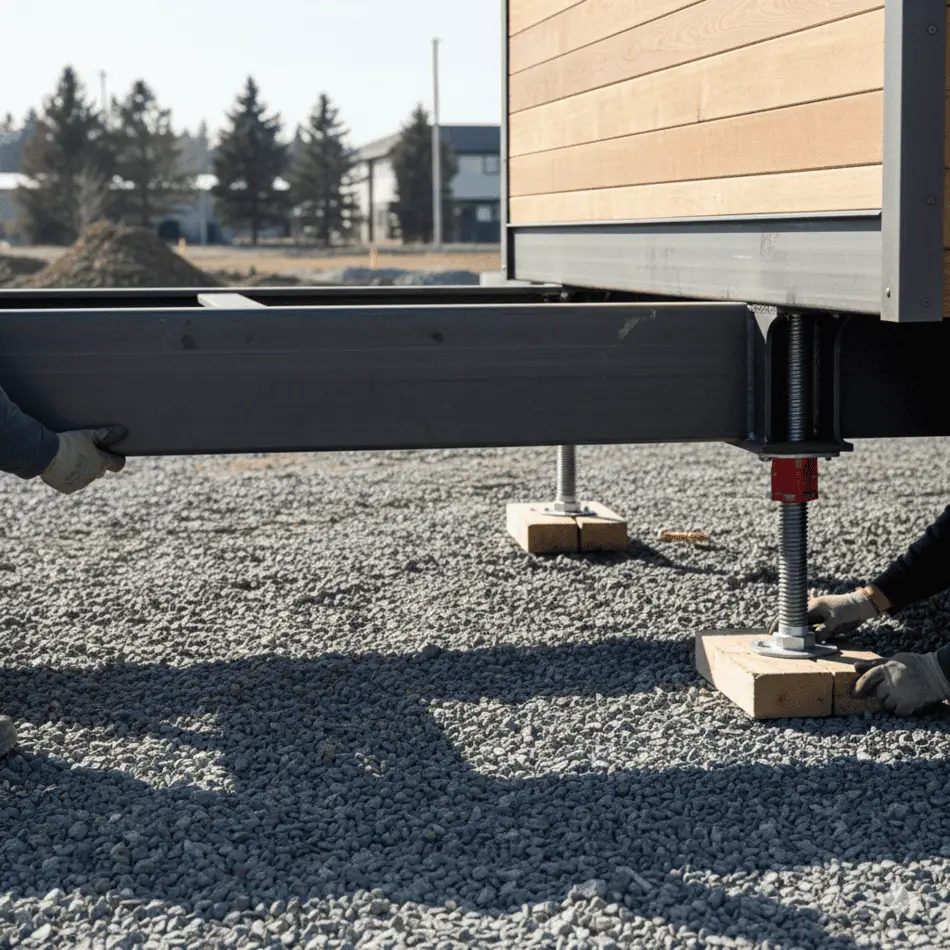
- Analyze the Site: Ensure the pad is level and compacted. A park model is heavy. If the ground is soft, the unit will sink, causing windows to stick and roofs to leak.
Internal Resources
If you found this guide helpful, I highly recommend reading these related articles on my site to round out your knowledge:
- The Original Park Model Overview (Historical Context)
- 2026 Skirting Trends: Making Your Unit Look Like a Foundation Home
- The Master Guide to Leveling and Re-Leveling Factory Homes
Summary
The park model home is a unique beast. It occupies the thin line between a travel trailer and a manufactured home. For the smart investor, it offers a way to bypass traditional building permits and high property taxes while providing a high-quality living space. However, it is not a “set it and forget it” asset. You must be diligent about maintenance, especially regarding leveling and moisture control under the unit. Respect the 400-square-foot rule, choose your location based on zoning laws, and use residential-grade materials for repairs. If you do that, the park model can be one of the highest-yielding assets in your portfolio.
Bio: Chuck O’Dell
Chuck O’Dell is a professional real estate investor and the founder of MobileHomeFriend.com. With over 20 years of experience and 100+ properties flipped, Chuck has seen every side of the mobile home industry. He is an advocate for affordable housing and a first-principles thinker who believes in providing direct, fluff-free advice to help others build wealth through non-traditional real estate. When he is not on a job site, he is usually documenting his latest renovation project to share with his global community of followers.
Guided by Chuck O’Dell’s decades of hands-on experience in the mobile home industry, this guide distills complex 2026 market data into actionable steps for new and veteran investors.