
Written by Chuck O’Dell in Buying and Selling, Finances, Repairs and Remodels
Table of Contents
Introduction
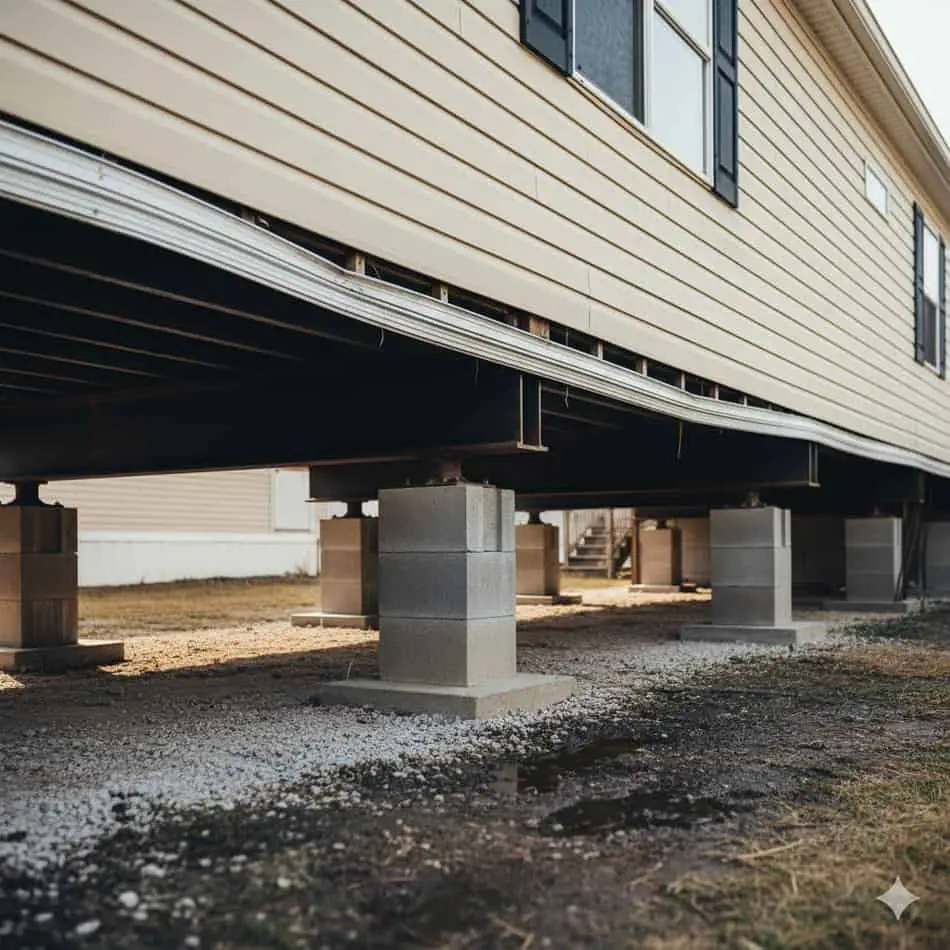
(Updated November 30, 2025) Foundation issues are one of the most common and unnerving problems a mobile or manufactured homeowner will face. Not only do they cause cosmetic damage like sticking doors and cracked drywall, but they directly degrade the value of your home and make it difficult to qualify for financing. The good news is that most foundation problems are fixable, but the costs can vary wildly—from minor shimming to major underpinning. As an investor and homeowner, I’ve organized the current national repair costs and the specific methods used for mobile home foundations to help you quickly diagnose your problem and budget for the fix.
Video Guide Overview
The Short Answer
The national average cost for standard mobile home foundation repair (re-leveling and minor shimming) is between $2,200 and $8,100, with most homeowners paying around $5,100. The final price depends heavily on the type of foundation (pier and beam vs. slab), the severity of the settling or shifting, and whether new piers or anchoring are required. Routine re-leveling is a normal maintenance cost, while major structural stabilization can easily exceed $15,000.
The Cost of Foundation Repair: National Averages
Foundation repair costs depend heavily on the severity of the issue and the method required. The total cost typically ranges from $2,200 to $8,100, with the national average sitting around $5,100 for standard issues. However, major structural repairs can easily exceed $15,000.
Understanding these costs is vital because foundation problems are not covered by standard homeowner’s insurance, meaning this expense will be coming directly out of your pocket or an escrow account. The older your home is, the more important it is to budget for periodic re-leveling as a non-negotiable part of homeownership.
Cost Breakdown by Repair Method
Mobile and manufactured homes most commonly use pier and beam foundations, which require specific repair techniques. Here is the current cost breakdown for the most common fixes:
| Repair Method | Description | Typical Cost Range | Expert Note |
|---|---|---|---|
| Re-Leveling/Shimming | Adjusting or adding small shims beneath existing piers to correct minor settling (most common fix). | $1,000 – $3,000 | Often necessary every 5–10 years due to soil movement. |
| Pier Installation (Underpinning) | Installing new concrete or steel piers (push or helical) to permanently stabilize a sinking section. | $1,500 – $3,000 per pier | Used for severe settlement; steel piers are a more permanent fix. |
| Foundation Sealing/Waterproofing | Sealing cracks in a slab or installing drainage (French drains) to manage moisture in the crawl space. | $2,300 – $7,300 | Essential for preventing future damage and structural integrity. |
| Full Foundation Lifting | Using hydraulic jacks to lift the entire home to replace a severely damaged section or the whole foundation. | $20,000 – $40,000+ | Required for extreme cases where the entire perimeter is compromised. |
| Crack Repair (Minor) | Injecting epoxy or sealant into small, hairline cracks in concrete runners or slabs. | $250 – $800 per crack | A necessary, low-cost proactive repair. |
Diagnosing Foundation Problems: What Causes Settling?
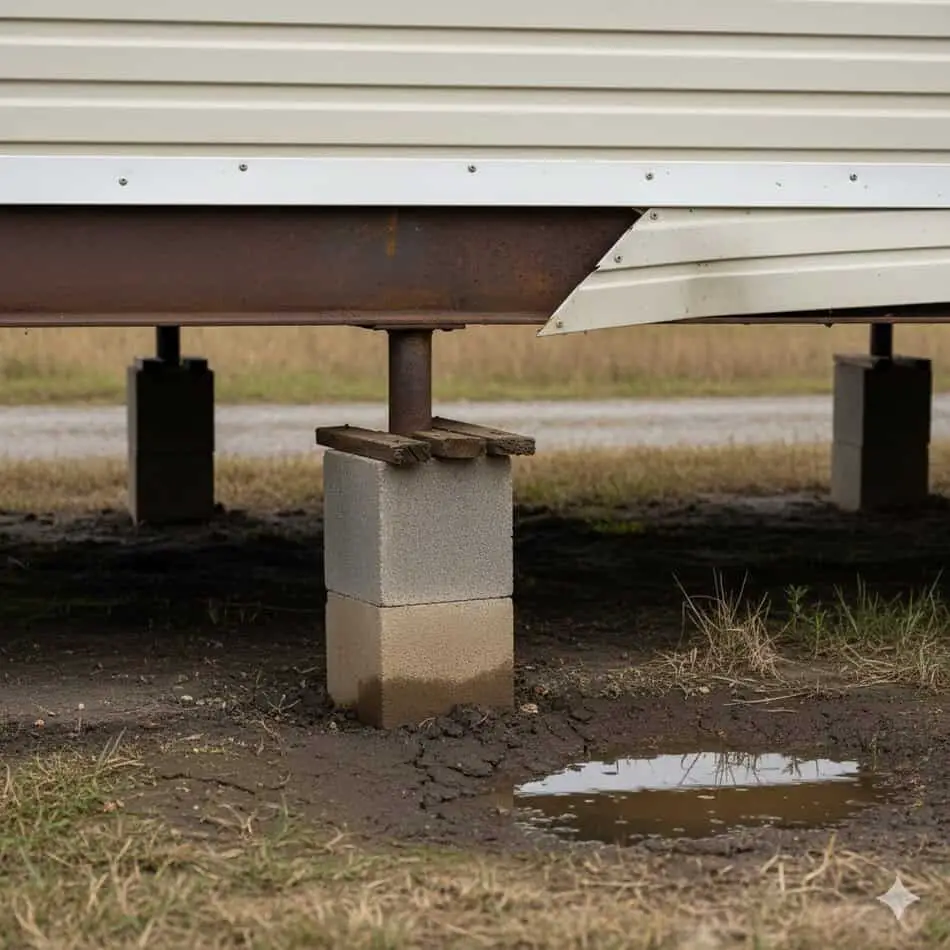
A mobile home foundation typically uses piers (block, concrete, or steel) resting on a concrete footing, supporting the main steel chassis. When the home shifts or settles, it’s rarely due to a problem with the home itself, but with the soil or the original installation.
Soil and Drainage Issues (The Biggest Culprit)
The single most common cause of foundation problems is moisture and soil composition. Manufactured homes are very sensitive to changes in the ground beneath them.
- Expansive Clay Soils: In many regions, clay soil expands greatly when wet and shrinks when dry. This constant movement places enormous stress on piers and anchors, leading to uneven settling and shifting.
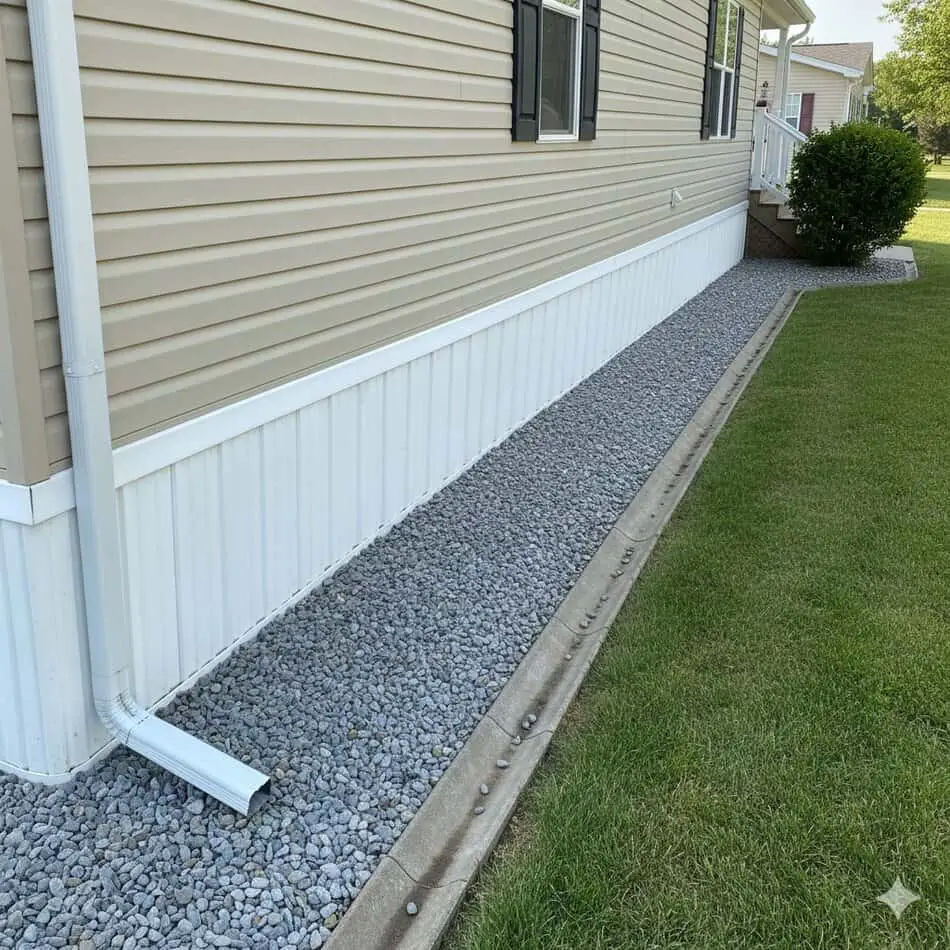
- Poor Drainage: If rainwater pools near the home’s perimeter, it saturates the soil beneath the piers. Over time, the piers sink into the softened earth. Gutters and proper grading are your first lines of defense against this issue.
- Erosion: Continuous water runoff can erode the soil around the footings, literally washing away the support base for your piers.
Improper Setup and Installation
Many foundation issues can be traced back to initial installation errors. This is why using a qualified, licensed installer is so critical when buying new or moving a home.
- Insufficient Footings: The concrete or block base that supports the piers (the “footing”) must be large and thick enough to distribute the home’s weight evenly. If the footings were too small or thin, they will crack or sink under pressure.
- Improper Pier Spacing: Piers must be placed at specific, engineered intervals beneath the home’s main steel beams. If they are spaced too far apart, the beam may deflect or bow, causing interior structural issues.
- Missing Tie-Downs and Anchors: Anchoring the home securely is not just for wind resistance; it also helps prevent lateral (sideways) and vertical movement caused by soil changes. Missing or loose tie-downs contribute to cumulative structural stress.
Age, Wear, and Component Deterioration
Over decades, even a well-installed foundation experiences degradation.
- Wood Shims: Older homes often used wood shims between the pier and the steel chassis. Wood shims can compress, rot, or deteriorate over time, leading to minor drops that accumulate. Steel shims are the modern, permanent solution.
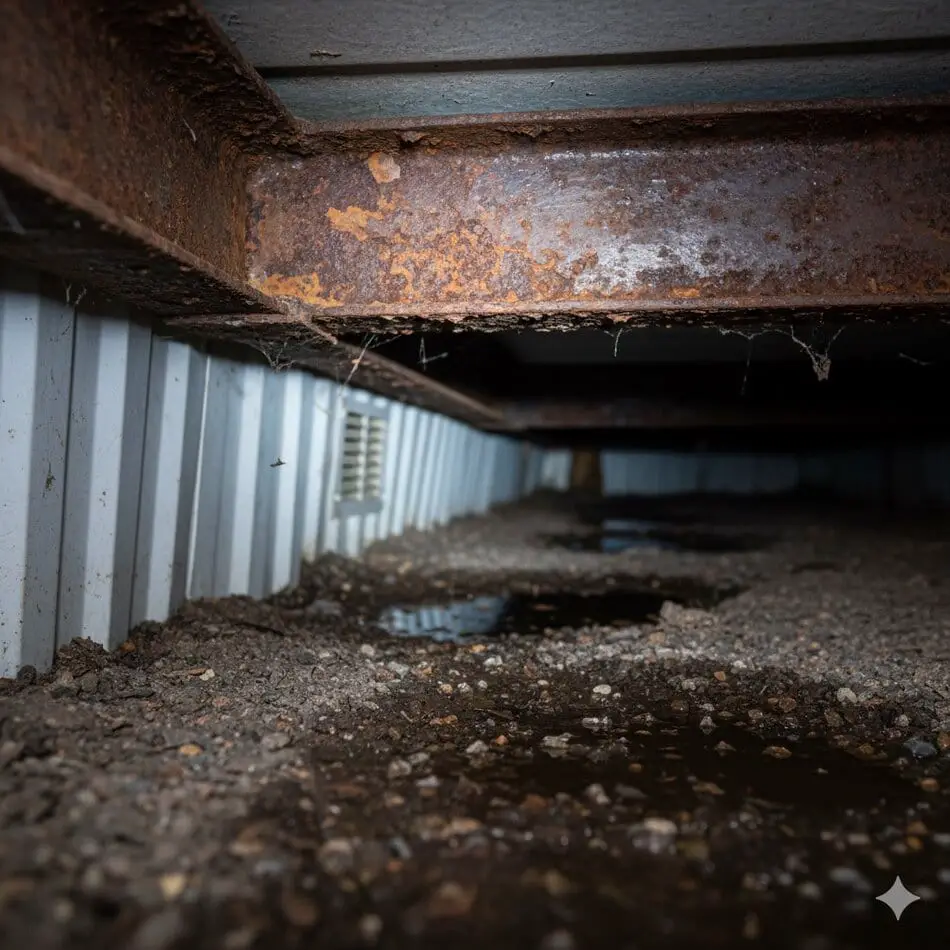
- Rusted Steel Chassis: While rare in newer homes, rust and corrosion on the main steel I-beams can weaken the entire structure, especially if the crawl space has been exposed to chronic moisture without proper ventilation.
? Charles O’Dell’s Warning Signs: When to Call an Expert
You can save thousands by addressing foundation issues early. Look for these signs, as they indicate shifting supports and require a professional assessment:
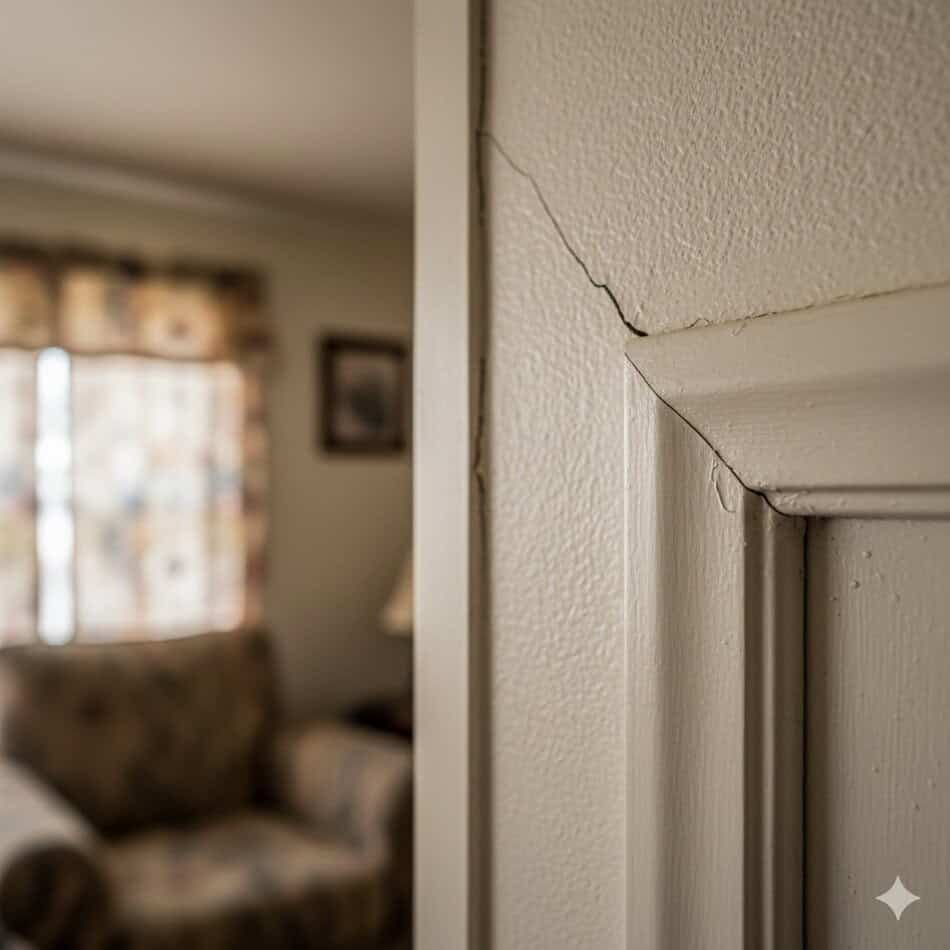
- Doors and Windows Sticking: If interior doors suddenly won’t latch or windows are hard to open. This is often the first and clearest sign of structural racking (a twisting of the frame).
- Uneven/Sloping Floors: The most obvious sign of settling. Use a long level or even a marble to check if your floor slopes noticeably in one direction.
- Cracks: Vertical or diagonal cracks in drywall, especially around door and window frames. These stress fractures are the home’s way of releasing pressure from the uneven settling.
- Pooling Water: Water consistently accumulating around the exterior base or inside the crawl space. This is a sign of a severe drainage problem that must be addressed before any structural work begins.
Detailed Repair Methods Explained
While the goal is always to restore the home to its original level and stabilize it, the method used depends entirely on the degree of damage. Always hire a contractor who specializes specifically in manufactured home foundation repair, as the techniques differ significantly from those used on a basement.
Re-Leveling and Shimming (The Basic Fix)
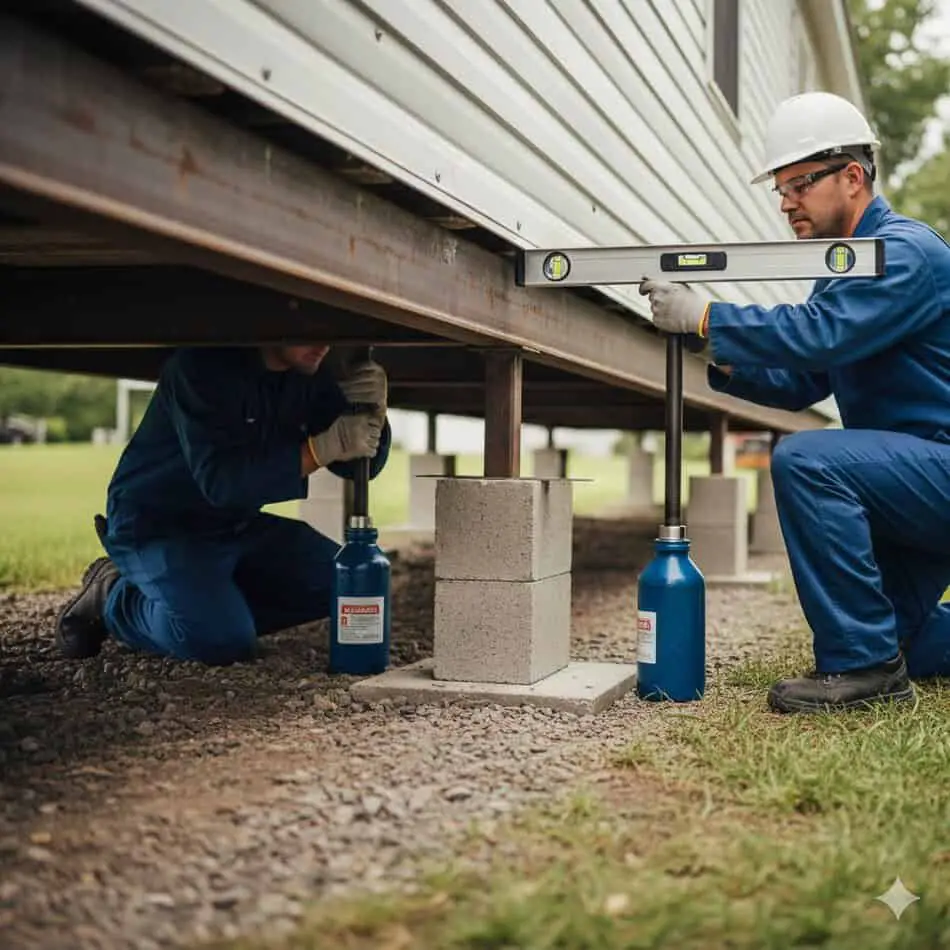
Re-leveling, or re-shimming, is the most common and least expensive repair. This is done when the home has settled minorly and uniformly. The repair crew uses hydraulic jacks to gently lift the section of the home that needs adjustment. Once the home is level (checked using precise water levels or lasers), the old shims are replaced or new, permanent steel shims are inserted between the pier and the chassis. This process requires a delicate touch and is not recommended for DIY amateurs unless the shifting is extremely minor and only involves replacing a few rotted wood shims.
- Cost Factor: Labor is the primary cost here. Expect to pay more if the crawl space is difficult to access or the ground is muddy.
Pier Repair and Underpinning (The Heavy Fix)
When the original pier footings have sunk significantly into soft or unstable soil, the home requires underpinning. This means installing new, deep-reaching support systems that bypass the unstable surface soil. The two main types are:
- Steel Push Piers: These piers are sections of steel pipe driven deep into the earth, often 20 to 50 feet, until they hit bedrock or competent soil. The home’s weight is then transferred from the surface soil to these deep, stable supports. This is the most permanent and reliable form of foundation repair.
- Helical Piers: These are giant screws twisted deep into the ground. They are excellent for lighter structures or areas where access is difficult. While highly effective, they can be slightly less load-bearing than push piers, depending on soil conditions.
Underpinning is complex and expensive but is often required to satisfy FHA and VA loan standards when selling the home, as these institutions require assurance of long-term stability.

Skirting and Perimeter Issues (Moisture Control)
While skirting is technically not part of the structural foundation, its integrity is critical to foundation longevity. Broken or missing skirting allows moisture to build up in the crawl space, leading to rust on the steel chassis, dry rot in subflooring, and rapid deterioration of the pier base. Repairing or replacing skirting ranges from $2,500 to $7,000, depending on whether you use vinyl (cheap) or a more permanent material like faux stone or concrete board (expensive but effective).
Permanent Foundation Conversion (The High-Value Upgrade)
In some cases, especially when the home is being placed on owned land (fee simple), the best long-term solution is a Permanent Foundation Conversion. This involves removing the mobile home’s axle and wheels and affixing the home to a certified, FHA-compliant foundation, typically a concrete perimeter stem wall or a basement.
- Cost: This is a major project, costing anywhere from $20,000 to over $45,000 for a full conversion.
- Value: This upgrade immediately reclassifies the property as real estate, making it eligible for the lowest interest rate mortgages and drastically increasing its market value and appeal to a wider range of buyers.
The Financial and Legal Impact of Foundation Issues
I cannot stress this enough: Foundation problems are not just a structural issue—they are a direct threat to your financial investment. Ignoring them will cost you far more in lost equity than the repair itself.
Internal Link Opportunity: Since foundation damage severely impacts a home’s financial worth, it’s critical to know How to Determine the Value of a Mobile Home so you understand the potential depreciation and how a proper repair can restore value.
Insurance and Warranty Implications
Most standard mobile home insurance policies do not cover damage caused by settling, shifting, or soil movement. This is typically treated the same way as foundation issues in site-built homes—an excluded risk. The only exceptions are:
- Sudden Incidents: If the damage was caused by a covered event like an exploding water heater or a fire that compromises the structure.
- Flood/Earthquake Endorsements: If you purchased a separate flood or earthquake policy, those events may cover the resulting foundation damage.
If your home is still under a **manufacturer’s warranty**, severe foundation problems related to *initial setup or materials* may be covered, but these claims are often difficult to prove and require extensive documentation.
Resale Value and Appraisals
When an appraiser finds evidence of foundation movement (stuck doors, cracks), the home’s value will be immediately discounted. For government-backed loans (FHA/VA), the home may be flagged as unfinanceable until the foundation is professionally certified as stable and repaired. This restricts your buyer pool to cash buyers or those using high-interest chattel loans, which significantly reduces your potential sales price.
The DIY vs. Professional Debate
As a seasoned investor, my advice here is simple: Know your limit.
When to DIY (Minor Shimming)
If you are an experienced handyman and the problem is very minor—such as a specific corner settling due to a single, easily accessible rotted wood shim—you may be able to perform a small adjustment. You will need a water level and a small hydraulic jack. Warning: Never crawl under the home without another person present, and always use safety blocks.
When to Hire a Pro (Any Structural Lifting)
For 99% of homeowners, hiring a professional foundation repair company is mandatory when:
- The home needs more than a 1-inch adjustment.
- There is widespread damage (multiple sticking doors, widespread cracks).
- The repair requires new pier installation or deep underpinning.
- You intend to sell or refinance the home, as lenders require a contractor’s certificate of warranty and repair.
How to Vet and Hire a Foundation Repair Contractor
Do not hire a basement foundation company; hire a contractor with proven experience in manufactured home chassis and pier systems.
Key Questions to Ask
- “How many manufactured homes have you repaired in the last year?” (Look for at least 20-30 homes.)
- “What type of pier system do you recommend (block, push, or helical), and why?” (They should be able to explain the soil conditions.)
- “What is the warranty on your work, and is it transferrable to the next owner?” (A strong, transferrable warranty is essential for resale.)
- “Do you provide a HUD/FHA certification upon completion for financing purposes?” (This is non-negotiable for future sales.)
Licensing and Insurance Requirements
Always verify the contractor’s credentials. They should carry general liability insurance and worker’s compensation. Ask for proof of state or local licensing for structural work. This protects you from liability if a worker is injured on your property or if the repair causes further damage.
Related Questions (FAQ)
How often should a mobile home be re-leveled?
If the home was installed correctly on stable soil, it may never need re-leveling. However, in areas with highly active clay soil or frequent seismic activity, a routine check every 5 to 10 years is a good preventative measure. You should only pay for a re-leveling when you notice the actual warning signs (sticking doors, visible cracks).
Is foundation repair covered by homeowner’s insurance?
No. Standard mobile home insurance policies exclude damage caused by earth movement, soil shifting, settling, or hydrostatic pressure. Coverage would only apply if the damage was a direct result of a covered peril, like a tree falling on the foundation or a fire.
What is the lifespan of a mobile home foundation?
The steel chassis should last the lifetime of the home, provided the crawl space is kept dry and well-ventilated. Concrete block piers are prone to crumbling over 40-50 years, while steel push piers installed deep into the ground can last indefinitely, often carrying a transferrable lifetime warranty.
What is the difference between block piers and steel piers?
Block piers are standard, inexpensive, and sit on the surface footings, making them prone to settling with soil changes. Steel piers (push or helical) are driven deep beneath the surface until they hit stable load-bearing strata, offering a non-moving, permanent support structure that is required for FHA/VA loans and high-end stability.
Summary: Securing Your Investment
Foundation repair is one of the most critical investments you can make in your manufactured home. While the national average cost hovers around $5,100 for a standard fix, this expenditure is ultimately a value-restoring repair. By quickly diagnosing the problem, understanding the cost of re-leveling versus deep underpinning, and hiring a qualified contractor who provides an FHA-certified warranty, you not only eliminate annoying structural symptoms but you also protect your home’s equity and ensure it remains eligible for the widest range of financing options when it comes time to sell.

Written by a mobile home investor who has personally renovated and stabilized over 100 properties since 2003.