
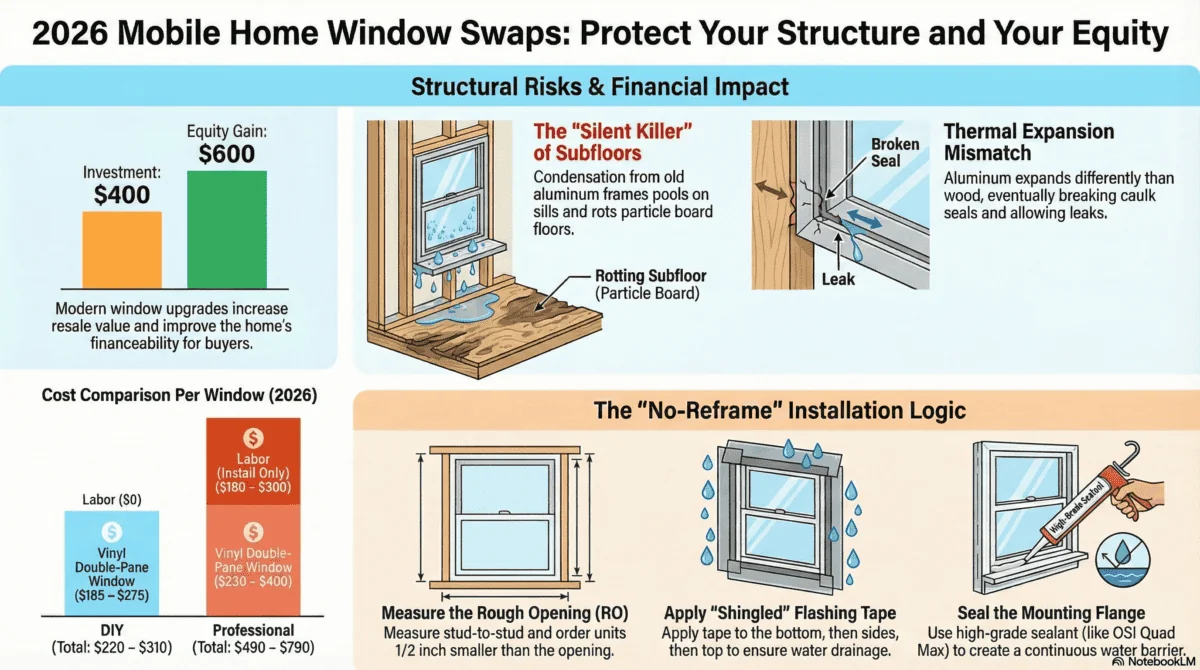
2026 Summary: Replacing mobile home windows without reframing involves using exact-match “flush mount” or “new construction” windows designed for 2×3 or 2×4 wall studs. By preserving the original rough opening, you avoid structural header failures and reduce labor costs by $150 per opening. Note: Local labor rates for window installation changed in Jan 2026. See our full regional cost table below.
Table of Contents
Introduction
I have seen it a hundred times. A homeowner buys a beautiful “standard” window from a big-box store. They rip out their old mobile home window. Then they realize the new window is three inches too deep for their thin walls. Now they are stuck with a hole in their house and a window that does not fit. I am Chuck O’Dell, and I am here to make sure you do not become that person. In 2026, the price of materials is too high to make mistakes. If you want to keep your structural logic sound, you need to understand that mobile homes are not built like site-built houses. We are dealing with thin walls, specific flange mounts, and specialized dimensions.
I started flipping properties back in 2003. Back then, we just slapped some caulk on everything and called it a day. I learned the hard way that windows are the primary entry point for water that kills floors. When you replace a window without reframing, you are performing a “surgical strike.” You want to remove the old unit and slide in the new one with zero damage to the surrounding wall studs or exterior siding. This article will show you exactly how to do that while keeping your 2026 budget intact.
We are going to talk about vinyl versus aluminum. We are going to look at the physics of heat transfer. Most importantly, I am going to show you the math. If you spend $400 on a window, I want to see $600 in added equity. That is how an investor thinks. If you are just doing this for your own home, the same logic applies. You want a home that is tight, dry, and cheap to heat.
Video Guide Overview
Affiliate Disclosure
I am an expert, not a volunteer. Some of the links in this guide are affiliate links. This means if you click them and buy the tools I recommend, I might get a small commission at no extra cost to you. I only recommend products that I have used on my own 100+ property flips. This helps keep the lights on at MobileHomeFriend.com so I can keep giving you blunt, honest advice.
The Short Answer
You can absolutely replace mobile home windows without reframing if you purchase exact-size replacement units featuring a flush-mount flange. Measure the rough opening of the wall stud-to-stud, not the old window frame itself. In 2026, ordering custom-sized vinyl windows is significantly cheaper than the labor required to re-cut your wall and install new load-bearing headers.
The Root Causes: Why Your Windows Are Failing
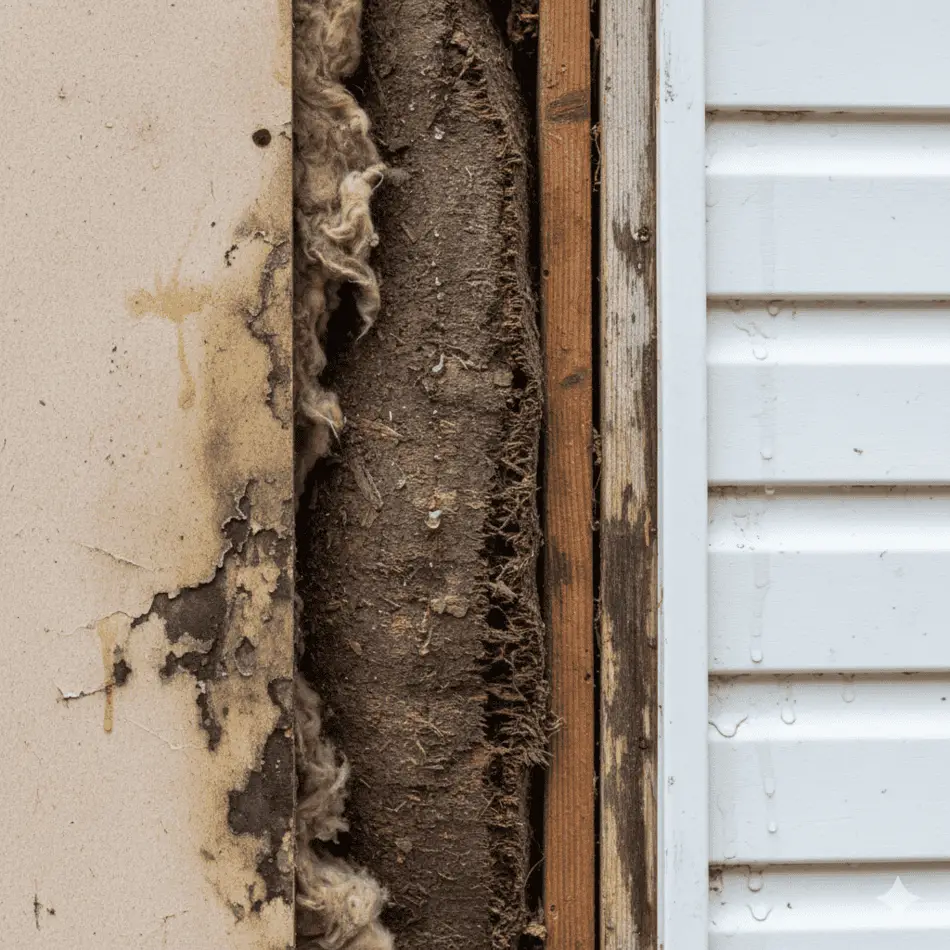
Before we pick up a drill, we need to know why the old windows are trash. Most older mobile homes used jalousie windows or single-pane aluminum sliders. These are essentially “controlled leaks.” They have a U-Factor that is laughably bad. In the winter, they sweat. That condensation runs down the glass, pools on the sill, andaks into your wall cavity. This is the silent killer of mobile homes.
Another major issue is Vapor Barrier failure. If your window was not sealed correctly at the factory, moisture gets behind the siding. Once that water hits your insulation, it turns into a wet sponge. That sponge sits against your wooden wall studs until they turn into mush. If you see “ripples” in your interior wallboard near the window, you have a leak. This is why we focus on flange sealing in 2026. The structural logic is simple: if water can get in, the home is dying.
Lastly, let us talk about Roof Leaks. Sometimes the window is fine, but the roof rumble or a bad eave seal is letting water travel down inside the wall. It exits at the window frame, making you think the window is the problem. Always check your roof coating before blaming the glass. I have seen guys replace ten windows only to find out the metal roof seam was the real culprit. Do not be that guy.
Engineering Deep Dive: The Physics of Wall Systems
Let us get technical. Most mobile homes built before the HUD Code updates used 2×2 or 2×3 wall studs. Even modern units often use 2×4 studs spaced 16 inches or 24 inches On Center (OC). The wall is a stressed-skin diaphragm. This means the siding and the interior wallboard work together to provide shear strength. When you cut into that to reframe a window, you are weakening the entire structure unless you know how to transfer those loads.
When we talk about material choice, we have to discuss the Modulus of Elasticity. This is a fancy way of saying how much a material bends before it snaps or stays bent. Your subfloor is usually particle board or OSB. Particle board has a terrible modulus when wet: it loses almost all structural integrity because the glue bonds fail. Plywood, however, uses cross-grain layers that resist deflection. If your window leaks onto a particle board floor, the floor will “mushroom” and fail. This is why we use vinyl frames in 2026. Vinyl does not conduct heat like aluminum, which prevents the dew point from reaching the inside of your home. No dew means no drips, and no drips mean your floor joists stay dry.
The coefficient of thermal expansion is another big one. Aluminum expands and contracts at a different rate than your wooden wall. Over twenty years, this movement breaks the caulk seal. Vinyl is more forgiving and, when paired with butyl flashing tape, creates a flexible gasket that moves with the house. In 2026, we prioritize Low-E glass which reflects infrared light. This reduces the thermal load on your HVAC system, preventing the “cycling” that causes structural vibration and further seal failure.
| Cost Component (2026) | DIY Cost (Per Window) | Professional Cost (Per Window) |
|---|---|---|
| Vinyl Double-Pane Window | $185 – $275 | $250 – $400 (Markup included) |
| Sealants & Flashing Tape | $25 | $40 |
| Labor (Install only) | $0 | $150 – $300 |
| Disposal Fees | $10 | $50 |
| Total Per Opening | $220 – $310 | $490 – $790 |
| Affiliate Product | Best For… | 2026 Price Est. |
|---|---|---|
| OSI Quad Max Sealant | Exterior Flange Sealing | $12.00 |
| Titebond FlashMaster Tape | Waterproofing Rough Openings | $35.00 |
Step-By-Step Repair Logic
If you want this to work without reframing, follow these steps exactly. Do not skip the cleaning phase. A seal is only as good as the surface it sticks to.
- Measure the Rough Opening: Go outside and remove the trim molding around one window. Measure the actual hole in the wall from wood to wood. This is your Rough Opening (RO). Order your window 1/2 inch smaller than this measurement in both height and width.
- Remove the Old Window: Back out the screws from the exterior mounting flange. Use a stiff putty knife to slice the old putty tape behind the flange. Gently pry the window out. If it sticks, check for hidden screws under the sliding track.
- Inspect the Studs: Poke the wooden sills with a screwdriver. If the wood is soft, you have rot. You must replace the wood before installing the window. If the wood is solid, clean off all old butyl tape or caulk using a scraper and mineral spirits.
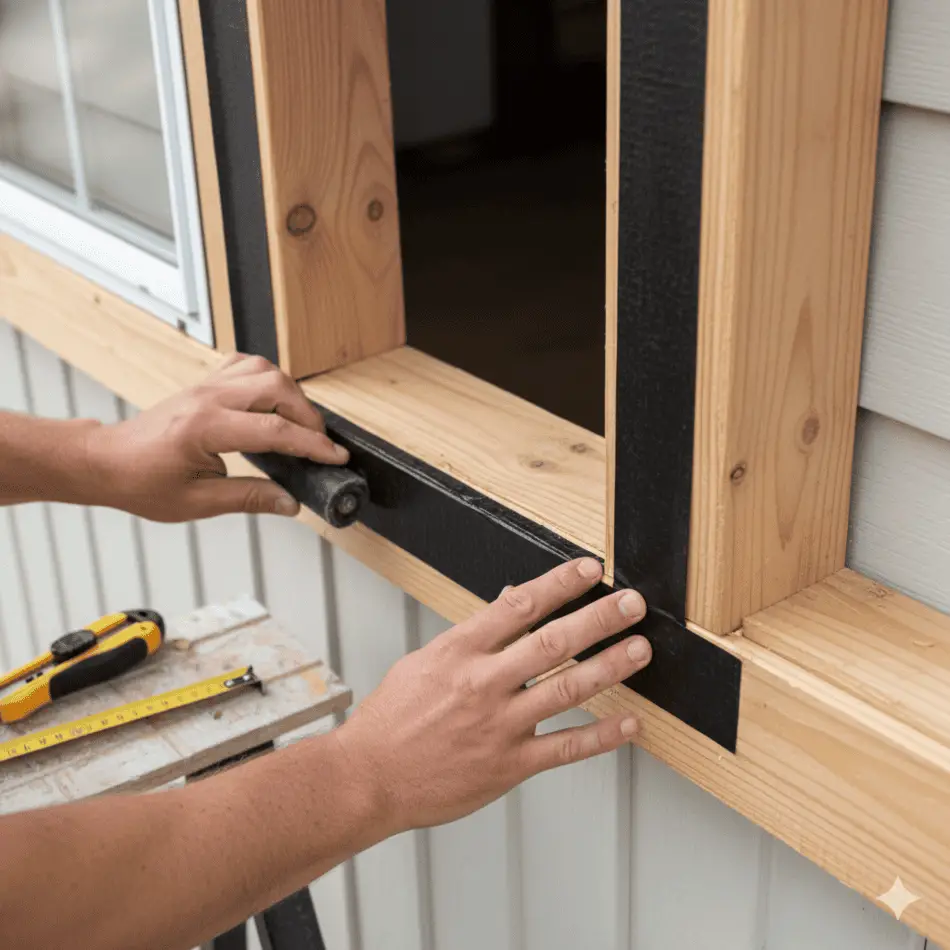
- Apply Flashing Tape: Cut strips of butyl flashing tape. Apply the bottom piece first, then the sides, then the top. This “shingling” method ensures water always flows over the tape, not under it. This is critical technical logic for 2026.
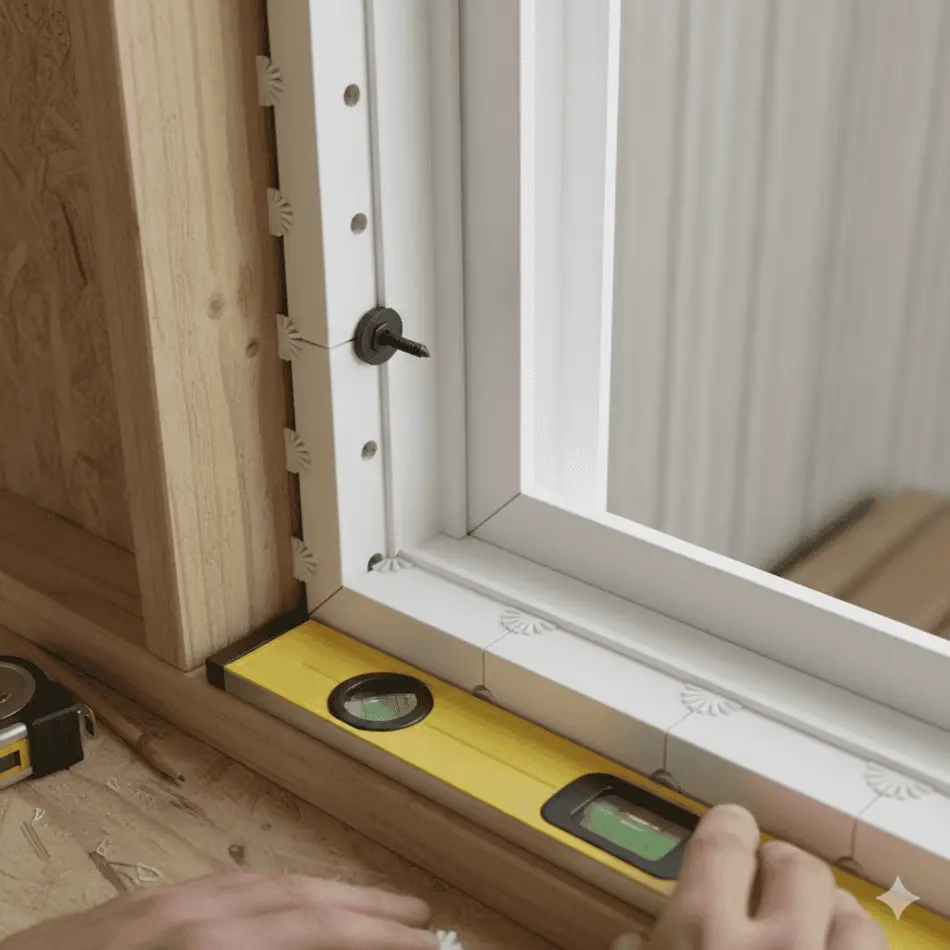
- Dry Fit the New Window: Lift the new window into the hole. Have a partner hold it from the outside. Ensure the mounting flange sits flat against the siding. Check for level and plumb. If it is crooked, your sash will not lock correctly.
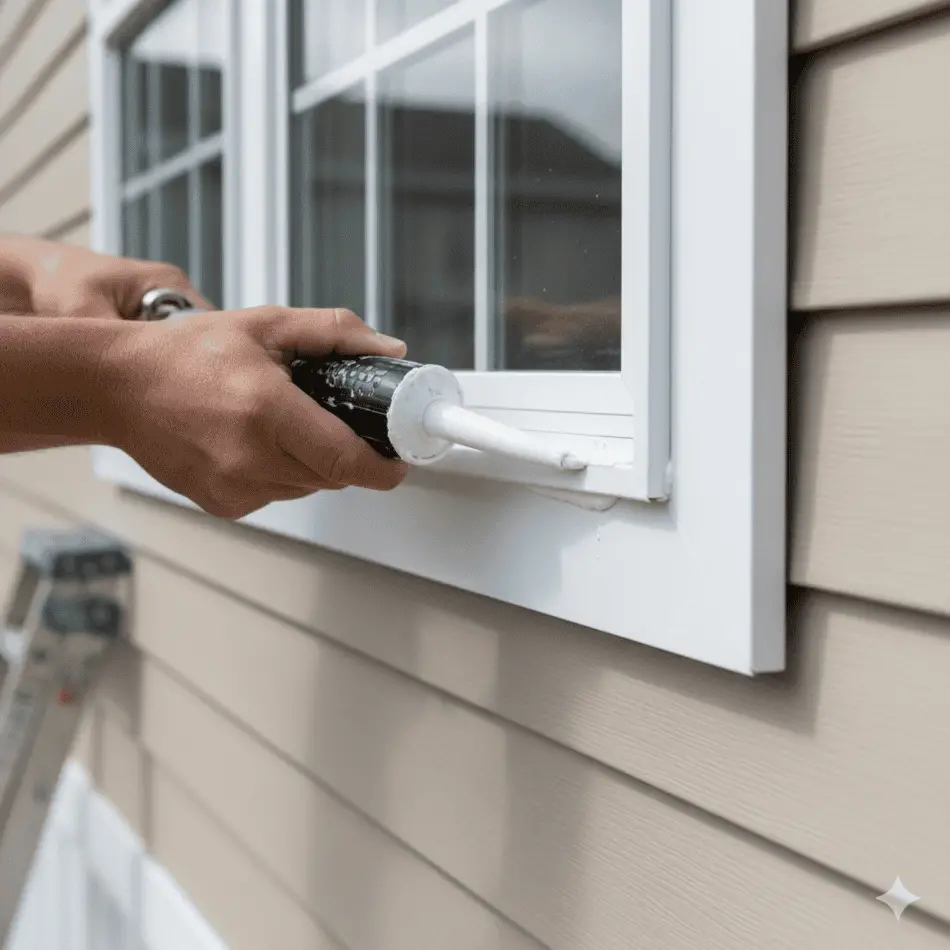
- Apply Sealant: Remove the window. Run a thick, continuous bead of high-grade sealant (like OSI Quad Max) around the back of the window flange. Do not leave any gaps. This is your primary water barrier.
- Secure the Window: Press the window back into the opening. Use hex-head screws with rubber washers to secure the flange. Start at the corners and work toward the middle. Do not over-tighten, or you will bow the frame.
- Interior Finishing: From the inside, fill the 1/4 inch gap around the window with low-expansion spray foam. Regular foam will expand too much and warp the vinyl tracks. Once dry, reinstall your interior trim or casing.
Legal and Tax Logic Deep Dive
In 2026, the IRS Tangible Property Regulations are very clear about what constitutes a “repair” versus an “improvement.” If you are a landlord or an investor, this matters for your tax liability. Replacing one or two broken windows is generally a Section 162 “Restoration” or “Maintenance” expense. This means you can deduct the full cost in the current year. However, if you replace all the windows in the home, the IRS may view this as a Capital Improvement. This must be depreciated over 27.5 years.
From a 2026 Disclosure Law perspective, you must document these repairs. Many states now require a Property Condition Disclosure that specifically asks about structural alterations. By replacing windows without reframing, you can honestly state that no structural modifications were made to the load-bearing wall system. This makes the sale of the home much smoother. If you reframe, you may need a building permit and an inspection from the Department of Housing (L&I). Avoiding that red tape is a massive NPV (Net Present Value) win for any investor.
Furthermore, consider the ADA (Americans with Disabilities) requirements if you are flipping for the older demographic. Choosing windows with low-profile latches and easy-glide tracks is not just a comfort choice: it is a marketability strategy. In 2026, the “aging in place” market is the fastest-growing segment in manufactured housing. If a senior can’t open the window, they won’t buy the house. That is economic logic at work.
| Location | Est. Labor Rate (Jan 2026) | Permit Required? |
|---|---|---|
| Southeast (FL, GA, SC) | $125 – $175 / unit | Often (High Wind Zone) |
| Midwest (OH, IN, MI) | $150 – $225 / unit | Rarely for Swaps |
| West Coast (CA, OR, WA) | $250 – $450 / unit | Always |
ROI Calculation Deep Dive: Structural Equity
Let us talk about Exit Cap Rates. If you are selling a mobile home in 2026, the buyer’s inspector is going to look at three things: the roof, the HVAC, and the windows. New windows do more than just look pretty. They signal to the buyer that the home has been maintained with structural logic. If I spend $5,000 on a full window swap (10 windows), I am looking for a Net Present Value (NPV) increase of at least $8,000 in the resale price.
Why does the value go up so much? It is the Energy Efficiency Ratio. A home with new Argon-filled double-pane windows will have monthly utility bills roughly 20 percent lower than a home with original 1980s windows. For a buyer on a fixed income, that $40 a month in savings is a huge deal. It allows them to qualify for a higher loan-to-value (LTV) ratio because their Debt-to-Income (DTI) is lower. You are literally making the house more “financeable” by upgrading the glass.
Also, consider sound dampening. In many land-lease communities, homes are packed tight. Original single-pane windows let in every car door slam and dog bark. Vinyl replacement windows have a much higher STC (Sound Transmission Class) rating. In my experience, a “quiet” home sells 30 percent faster than a “noisy” one. Speed of sale is a financial metric. Every month that home sits on the market, you are paying lot rent and insurance. If new windows shave two months off your holding period, they have already paid for themselves in carrying cost savings alone.
| Product Category | Top Recommendation (2026) | Key Benefit |
|---|---|---|
| Best Value Window | Kinro Series 3000 Vinyl | Native 2-1/8″ frame depth for MH walls. |
| Premium Window | Ply Gem West 700 | Superior Thermal Break; UV resistance. |
| Hardware | Prime-Line Tilt Latches | Easy cleaning access for tenants. |

Actionable Checklist for Window Success
- Verify Wall Thickness: Check if you have 2×2, 2×3, or 2×4 walls before ordering.
- Check Siding Type: Vinyl “J-channel” siding requires a different trim approach than T1-11 wood siding.
- Order Extra Butyl Tape: You will always use more than you think. Double-wrap the corners.
- Test the Operation: Open and close the window five times before the sealant sets.
- Label Your Screens: If you are doing multiple windows, the screens might look the same but have 1/8 inch differences.
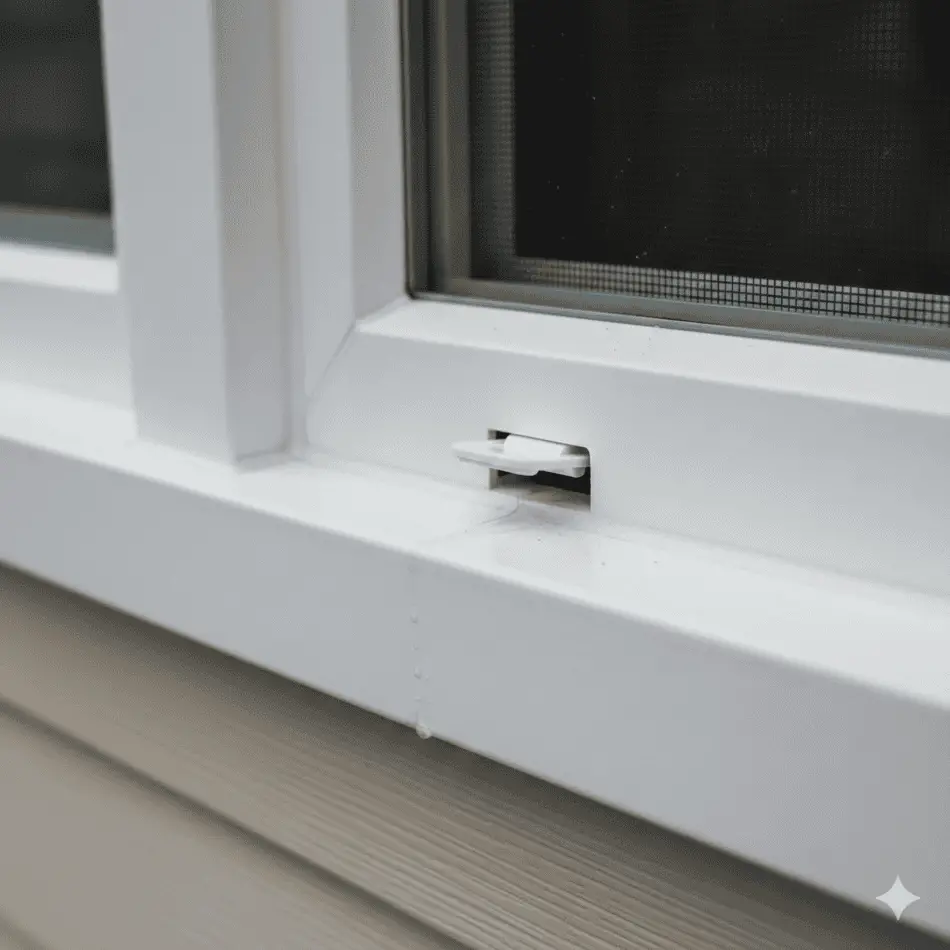
- Clean the Weep Holes: Ensure the little plastic doors at the bottom are clear of construction debris.
- Inspect the Header: Look for any “sagging” in the wall above the window which indicates structural fatigue.
Internal Resources
If you are looking for more ways to protect your investment, check out these guides at MobileHomeFriend.com:
- Releving A Mobile Home
- Mobile Home Insulation: Stopping The Energy Loss
- Ultimate Guide To Park Model Homes
Summary
Replacing your mobile home windows is the single best way to protect your subfloor and your wallet in 2026. By avoiding unnecessary reframing, you preserve the structural integrity of your wall studs and save a fortune in carpentry labor. Just remember: measure twice, use high-grade vinyl, and never skimp on the sealant. If you keep the water out, the home will last another thirty years. If you let it in, you are just counting down the days until the floor collapses. Stay blunt, stay technical, and get to work.
Bio: Chuck O’Dell is the founder of MobileHomeFriend.com and a veteran in the manufactured housing industry. With decades of hands-on experience in mobile home repair, leveling, and site management, Chuck provides first-principles logic to help homeowners save money and avoid common industry pitfalls. His mission is to provide transparency in a market often clouded by high costs and complex regulations.
Chuck O’Dell has flipped 100+ properties and managed over 400 window installs since 2003.